Combating Dry Winter Office Air With Commercial Interior Plants
The drop in temperature outside means commercial heating systems kick into overdrive, rapidly stripping the humidity from your indoor air. At Uyeta Landscape & Maintenance, our Midori Plantscapes division frequently encounters office environments that feel uncomfortably dry, leading to static shocks and unhappy employees. Utilizing living foliage is a highly effective way to reintroduce vital moisture into your corporate spaces naturally.
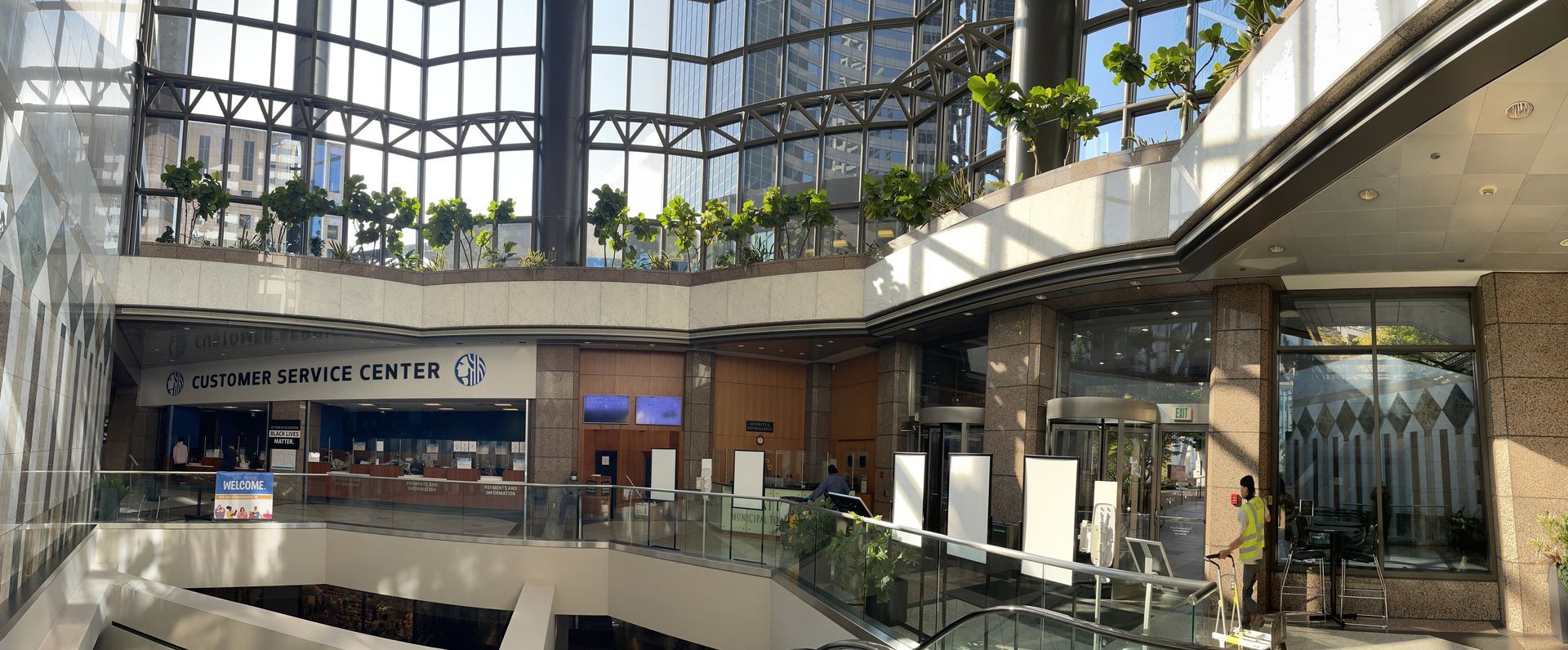
Installing commercial interior plants does much more than improve the visual aesthetics of a lobby or boardroom. Through a biological process called transpiration, plants release moisture vapor into the air, acting as natural humidifiers that make the workspace more comfortable. Following a structured care routine protects these living assets and ensures they continue to clean and humidify the air throughout the darkest months.
In This Article:
- Immediate Winter Care Adjustments
- Common Office Plant Maintenance Mistakes
- Extending The Life Of Your Green Walls
- How often should office plants be watered in winter?
- Sustaining Your Indoor Oasis
Immediate Winter Care Adjustments
As the ambient humidity drops, your indoor foliage requires specific environmental tweaks to prevent the leaves from crisping and dropping.
- Relocate Away From Drafts: Move all potted containers away from direct heating vents and exterior doors that let in freezing gusts of air.
- Adjust Watering Volume: Reduce the total amount of water you apply since cooler indoor temperatures slow down the natural growth cycle of the plants.
- Increase Ambient Humidity: Cluster smaller pots together to create a microclimate that traps moisture naturally between the leaves.
Common Office Plant Maintenance Mistakes
Facility managers often accidentally harm their interior plantscapes by continuing their summer care routines straight into December.
- Overwatering Cold Soil: Pouring heavy amounts of water into soil that is not actively drying out leads directly to root rot and fungal gnats.
- Ignoring Dust Buildup: Failing to wipe down large leaves prevents the plant from absorbing the limited winter sunlight it desperately needs.
- Leaving Plants In The Dark: Keeping heavy blinds drawn all day deprives tropical plants of the bright indirect light required for survival.
►Winter root rot is the leading cause of indoor plant death, triggered by roots sitting in cold, stagnant water at the bottom of decorative planters.
Extending The Life Of Your Green Walls
Vertical gardens are massive investments that require specialized attention when the building environment changes. Ensuring the irrigation reservoirs are balanced properly prevents the lower rows from drowning while the top rows dry out completely. Regular pruning of dead foliage ensures the living plants have adequate air circulation to prevent mold growth deep within the wall structure.
How often should office plants be watered in winter?
During the winter months, you must check the soil manually rather than sticking to a rigid calendar schedule. Insert your finger two inches into the dirt to feel for moisture before adding any water. Most large interior specimens only require watering every two to three weeks when the building air is dry and the days are short.
Sustaining Your Indoor Oasis
Maintaining a healthy indoor environment during the winter relies heavily on adjusting your plant care habits. By monitoring soil moisture and protecting foliage from dry heat, your office greenery will continue to thrive and improve air quality. Reach out to our interior design specialists to evaluate your current office plantscapes and discuss seasonal care options.
Share This Blog