5 Warning Signs You Need Routine Lawn And Garden Maintenance
Keeping a yard healthy in Bellevue requires constant attention to seasonal changes and soil conditions. Many property owners try to manage their outdoors on the weekends but quickly fall behind when life gets busy. When basic upkeep is delayed, small biological issues compound into expensive property damage. The crew at Uyeta Landscape & Maintenance regularly rescues properties that have become overgrown and unhealthy due to inconsistent care.
Spotting the early indicators of neglect allows you to correct the course before you lose expensive trees or hardscape features. Relying on professional lawn and garden maintenance ensures these vital tasks happen on a strict schedule. Understanding what warning signs to look for helps you protect your investment and keeps your property looking sharp all year long.
What We Cover:
- Tip 1: Soil Compaction Slows Growth
- Tip 2: Invasive Weeds Multiply Rapidly
- Tip 3: Irrigation Inefficiencies Waste Water
- Tip 4: Overgrown Shrubs Block Natural Light
- Tip 5: Disease Spreads Through Dull Mower Blades
- Frequently Asked Questions
Tip 1: Soil Compaction Slows Growth
Hard and compacted soil literally suffocates your grass by preventing oxygen from reaching the root zone. When the ground becomes too dense, water simply runs off the surface instead of soaking in.
- Aeration Needs: Core aeration pulls small plugs of dirt out of the ground to instantly relieve pressure.
- Topdressing Benefits: Adding a thin layer of compost after aeration restores vital nutrients to depleted soil.
- Traffic Control: Limiting heavy foot traffic on wet grass prevents the dirt from turning into a hardened clay crust.
Tip 2: Invasive Weeds Multiply Rapidly
Weeds are highly opportunistic and will immediately take over any thin patches in your grass. Once weeds drop their seeds, eradicating them becomes a multi year battle.
- Early Detection: Pulling broadleaf weeds before they flower prevents thousands of seeds from spreading across your yard.
- Pre Emergent Care: Applying targeted weed control in early spring stops crabgrass from ever breaking the soil surface.
- Mowing Height: Keeping your grass slightly taller shades the soil and blocks the sunlight that dormant weed seeds need to germinate.
This is something clients notice firsthand.
►Client Experience: Lisa L McQueen shared, "Between monthly maintenance and special landscape projects, their team has consistently provided exceptional service and their work product is outstanding."
Consistent scheduling allows us to catch weed outbreaks early, ensuring clients like Lisa enjoy a pristine yard without the stress of constant pulling.
Tip 3: Irrigation Inefficiencies Waste Water
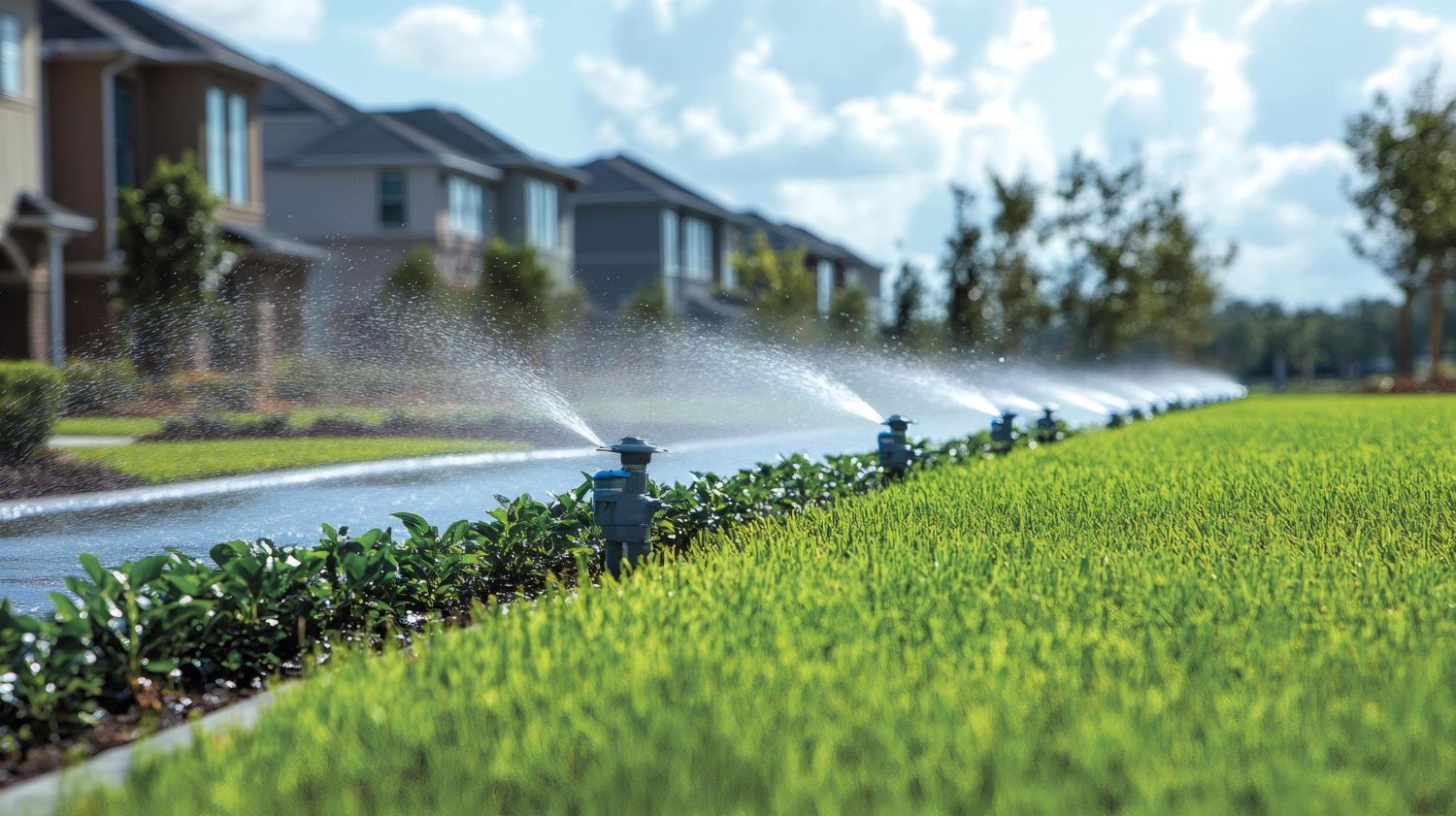
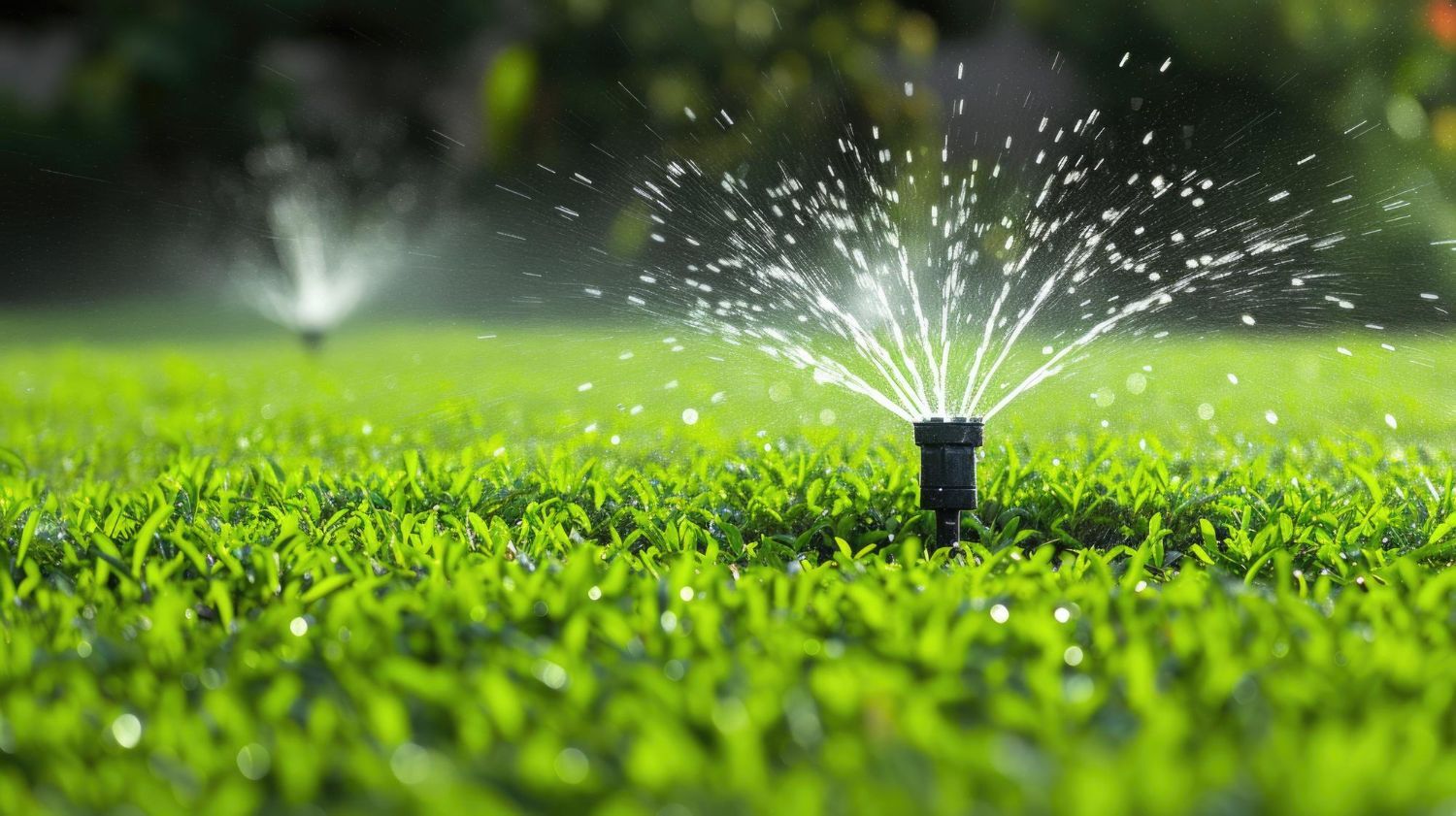
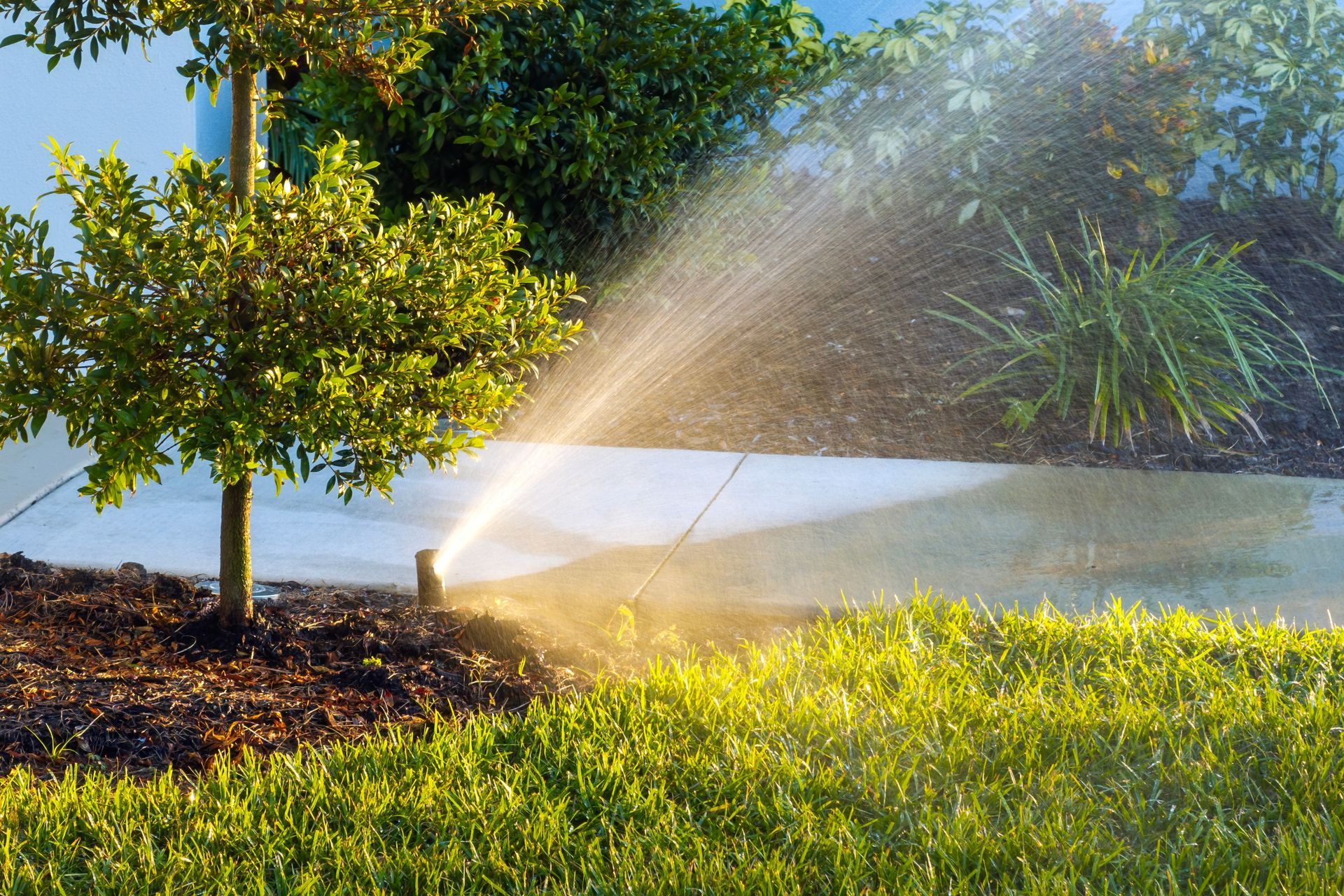
A neglected sprinkler system either drowns your plants or leaves them completely parched. Broken sprinkler heads often go unnoticed until a massive brown patch appears in the lawn.
- Pressure Checks: Misting sprinkler heads indicate pressure issues that cause water to evaporate before hitting the ground.
- Seasonal Adjustments: Watering schedules must be dialed back in the cooler months to prevent root rot.
- Coverage Gaps: Shrubs grow larger over time and can physically block sprinkler streams from reaching the grass behind them.
Tip 4: Overgrown Shrubs Block Natural Light
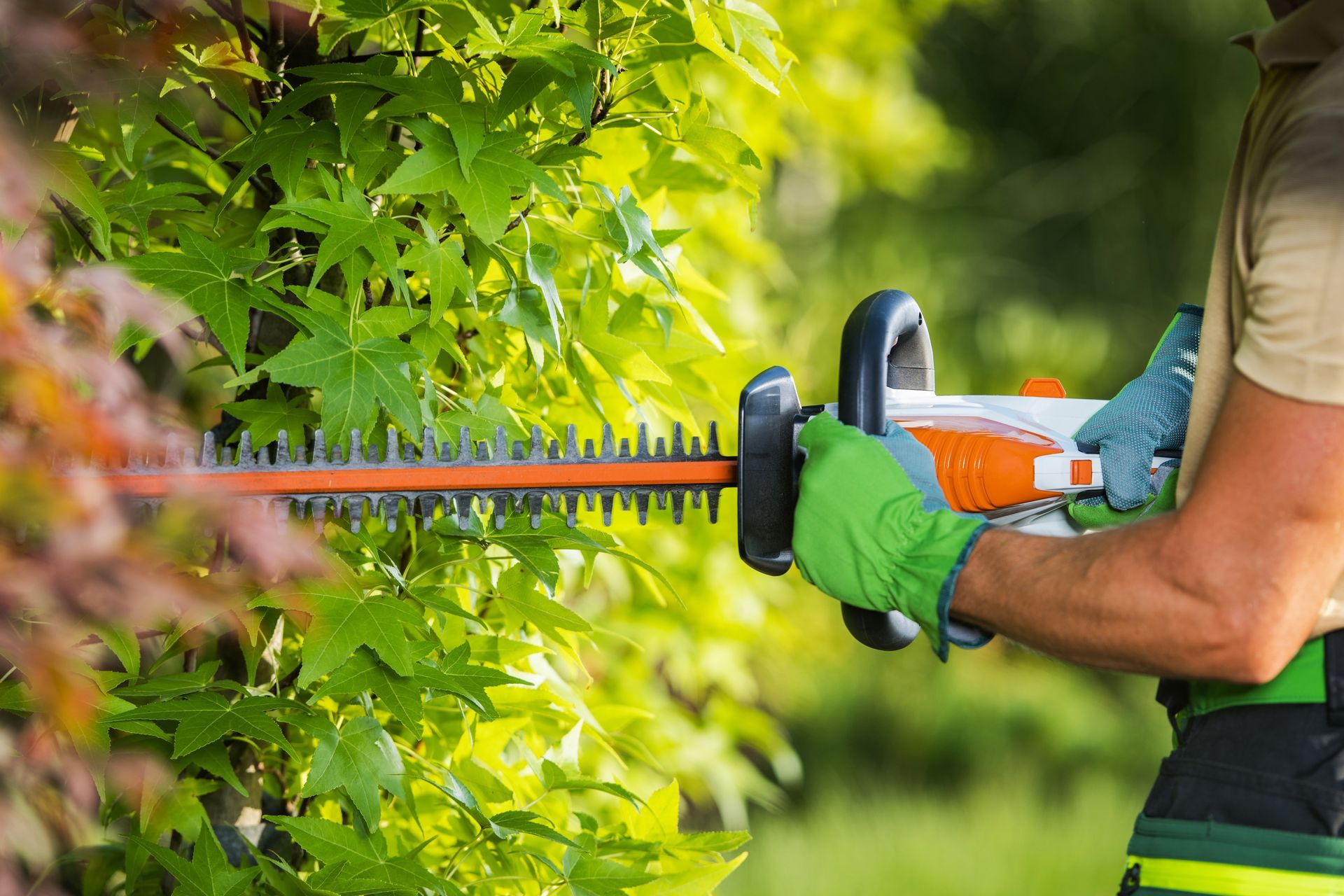
When bushes are left unpruned, they become dense and woody on the inside while blocking sunlight from reaching the plants below them.
- Airflow Issues: Dense foliage traps moisture and creates a breeding ground for fungal diseases.
- Structural Pruning: Removing crossing branches prevents bark damage and encourages healthy new outward growth.
- Safety Hazards: Overgrown hedges near walkways create blind spots and scratch guests walking to your front door.
Tip 5: Disease Spreads Through Dull Mower Blades
Using a lawnmower that has not been serviced shreds the top of the grass blade instead of cutting it cleanly. Torn grass turns brown quickly and loses its natural resistance to disease.
- Blade Sharpening: Professional crews sharpen their mower blades daily to ensure a precise and healthy cut.
- Mowing Frequency: Cutting more than one third of the grass blade at once sends the plant into severe biological shock.
- Equipment Cleaning: Failing to wash the mower deck transfers fungal spores from an infected yard directly to a healthy one.
Frequently Asked Questions
How often should shrubs be pruned?
Most flowering shrubs require major structural pruning once a year during their dormant season. However, fast growing hedges need light surface trimming every few weeks during the summer to maintain a sharp and formal shape. Waiting too long requires drastic cuts that leave the plant looking bare for months.
What is the best way to fix a patchy lawn?
Patchy areas require aggressive overseeding combined with high quality topsoil. The dead grass must be completely raked out so the new seed makes direct contact with the dirt. Consistent daily watering is mandatory for the first three weeks to ensure the new seeds do not dry out and die.
Why is my grass turning yellow in the summer?
Summer yellowing is typically caused by shallow watering habits or a lack of nitrogen in the soil. Watering for only five minutes every day trains the grass roots to stay near the hot surface. Deep and infrequent watering forces the roots to grow downward where the soil remains cooler and naturally moist.
Taking Back Your Weekend
Your outdoor space should be a place to relax, not a constant source of labor. By recognizing these warning signs and hiring a professional crew, your yard receives the exact biological care it needs. Reach out to our team today to establish a routine maintenance schedule that fits your property perfectly.
Share This Blog