3 Sprinkler Myths Busted By Expert Irrigation System Services
Watering your lawn seems like a simple chore, but hidden misconceptions often lead to massive water waste and damaged plants. Many property owners rely on outdated advice that actively harms their deep root systems. At Uyeta Landscape & Maintenance, our technicians constantly encounter yards suffering from poor watering schedules and neglected sprinkler heads. Proper hydration requires a scientific approach rather than pure guesswork.
Our professional irrigation system services are designed to deliver precise moisture exactly where your landscape needs it. Dispelling common watering myths saves you money on monthly utility bills and prevents aggressive fungal diseases from destroying your grass. Understanding the facts about sprinkler technology helps you make smart decisions about property maintenance. Let our Bellevue area experts reveal the truth behind these persistent landscaping rumors.
In This Article:
- Tip #1: Watering Daily Is Not Ideal
- Tip #2: Rain Does Not Cancel Your Schedule
- Tip #3: More Water Does Not Equal Greener Grass
- Tip #4: Regular Auditing Is Mandatory
- Frequently Asked Questions
- Optimizing Your Water Usage
Tip #1: Watering Daily Is Not Ideal
Many people believe that running their sprinklers every single day is the key to a vibrant lawn. In reality, shallow daily watering creates weak root systems that sit entirely at the surface of the soil.
- Encourage Deep Roots: Watering heavily just two or three times a week forces grass roots to grow deep into the soil searching for moisture.
- Drought Resistance: Deeply rooted plants survive harsh dry spells far better than plants accustomed to daily surface level sprinkles.
- Evaporation Loss: Frequent light watering mostly evaporates in the sun before the water ever penetrates the hard dirt.
Tip #2: Rain Does Not Cancel Your Schedule
A common assumption is that a brief summer rainstorm provides enough moisture to skip a sprinkler cycle. However, a fast downpour often runs off the surface of the soil into the street without soaking in.
- Measure The Rainfall: Purchase an inexpensive rain gauge to verify exactly how much usable water actually hit your garden beds.
- Check The Soil: Dig a small hole after a storm to see if the moisture penetrated past the top inch of dirt.
- Install Smart Sensors: Modern irrigation controllers use local weather data to adjust watering times accurately rather than relying on visual guesses.
Tip #3: More Water Does Not Equal Greener Grass
Dumping massive volumes of water onto a yellowing lawn is a guaranteed way to cause permanent root rot. Overwatering chokes the oxygen out of the soil and creates a perfect breeding ground for disease.
- Fungal Threats: Constantly soggy grass blades are highly susceptible to aggressive lawn fungi that destroy large patches of turf overnight.
- Nutrient Washout: Flooding your garden beds leaches expensive fertilizers deep past the root zone where the plants can no longer reach them.
- Compaction Issues: Walking on overly saturated soil compresses the dirt tightly, permanently ruining the physical structure of your yard.
Tip #4: Regular Auditing Is Mandatory
Assuming your sprinkler system works perfectly just because the heads pop up is a costly mistake. Underground systems shift and degrade over time, leading to invisible leaks and dry zones.
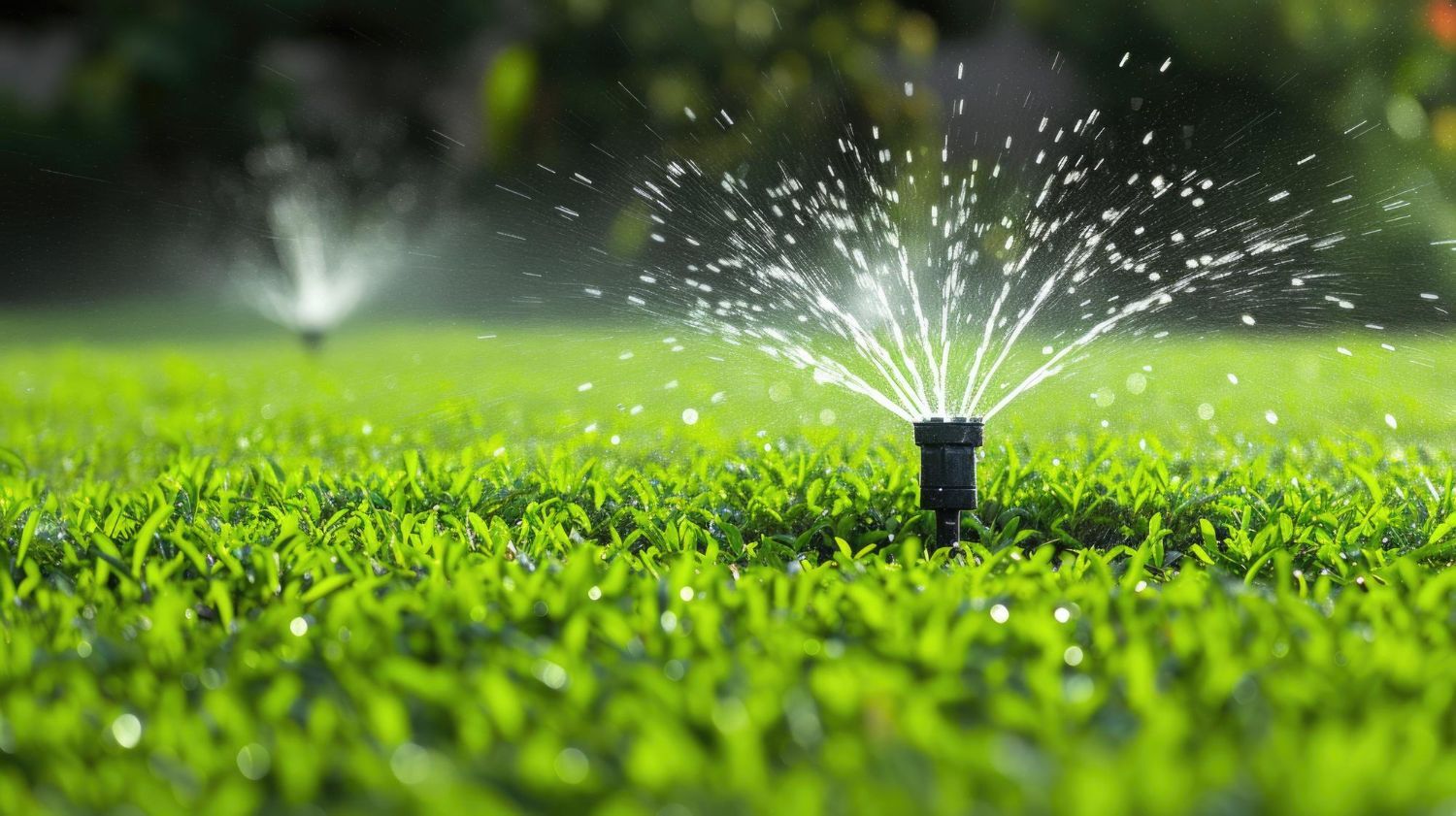
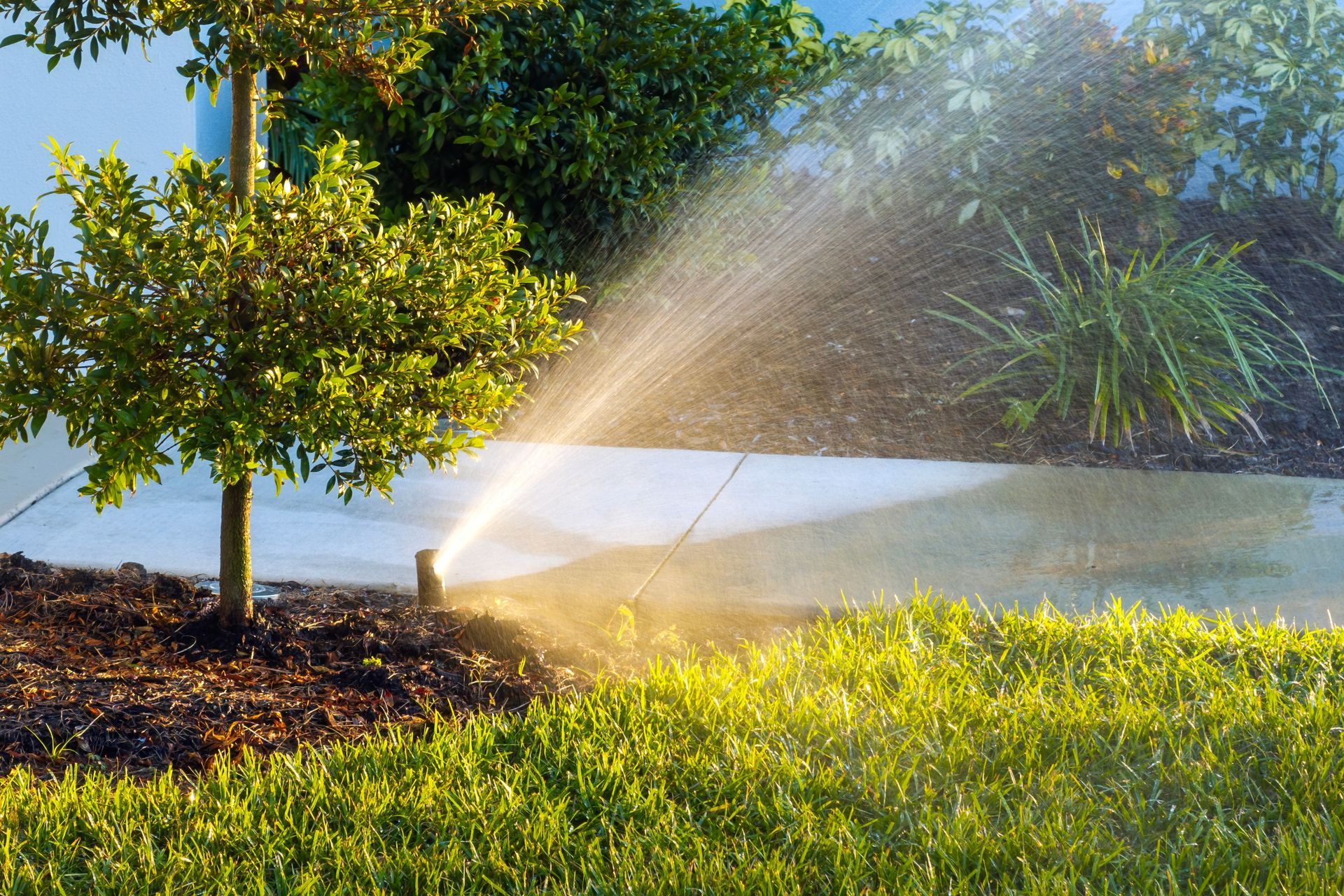
- Check Head Alignment: Ensure your sprinkler nozzles are pointing at the grass and not wasting water by spraying the side of your house.
- Monitor Pressure: High water pressure turns the spray into a fine mist that blows away in the wind rather than soaking into the ground.
- Replace Worn Parts: Small rubber seals inside the sprinkler bodies degrade over time and require proactive replacement to prevent slow leaks.
This is something clients notice firsthand when our technicians overhaul an aging setup.
►Client Experience: Cheryle Jenkins shared, “We had extensive work done by Uyeta about a year ago. They did our backyard and it turned out very lovely! We had raised paved garden beds put in, patio, sprinkler system, lights... I feel like they were very professional.”
An expertly calibrated system ensures every drop of water is utilized efficiently to support a beautiful landscape.
Frequently Asked Questions
When is the absolute best time of day to run a sprinkler system?
Operating your sprinklers between four and six in the morning is highly recommended by turf professionals. Watering just before sunrise allows the moisture to soak deeply into the soil before the hot afternoon sun causes rapid evaporation. It also ensures the grass blades dry off quickly as the day warms up, preventing fungal growth.
Do drip lines need to be buried underground?
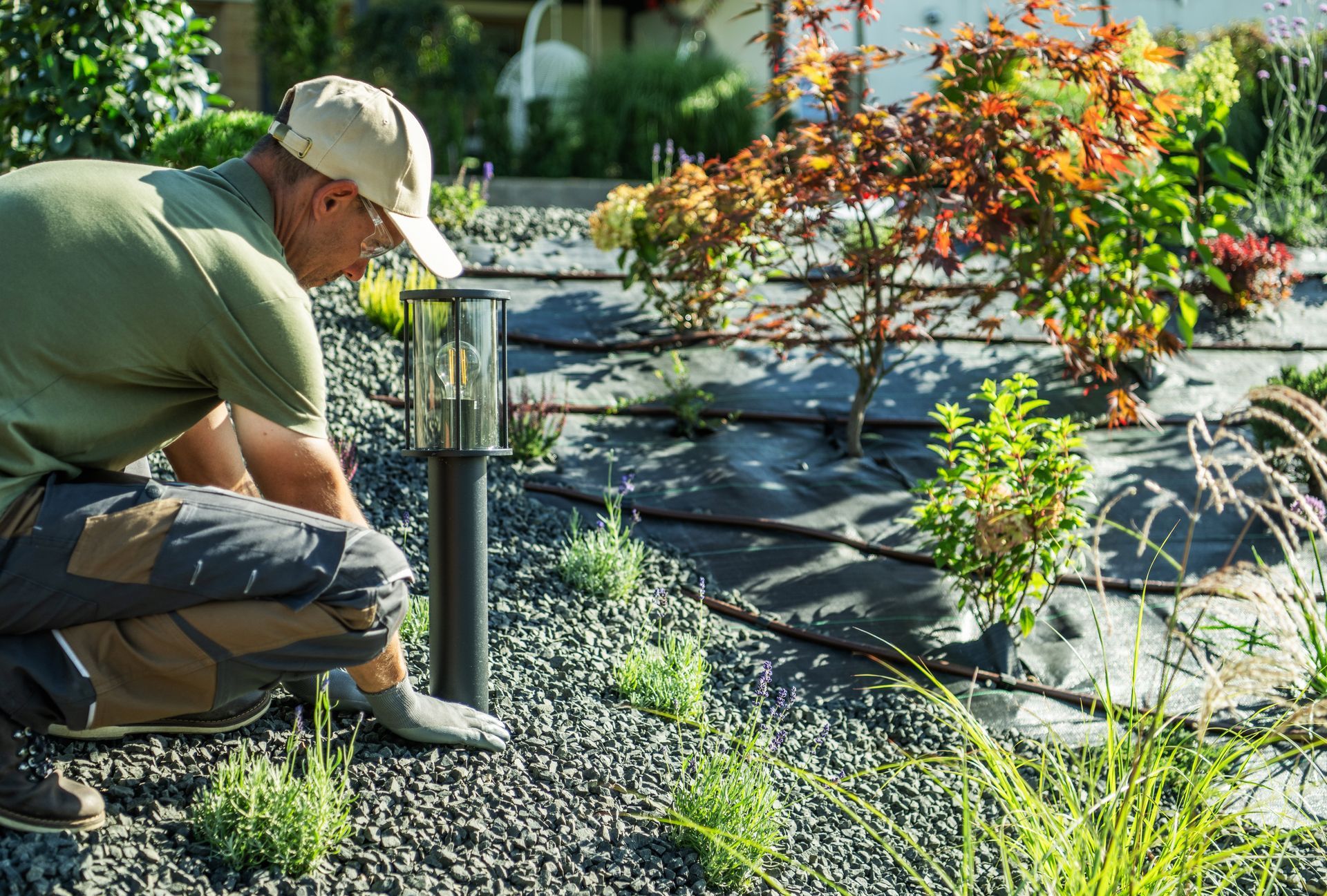
Drip irrigation tubing does not need to be buried deep in the dirt and is actually easier to maintain when left on the surface. We highly recommend covering the exposed lines with a thick layer of bark mulch to protect the plastic from degrading under harsh ultraviolet sunlight.
How do you unclog a dirt filled sprinkler head?
If a pop up head fails to spray properly, you must carefully unscrew the top nozzle and pull out the small plastic filter basket inside. Rinsing this basket with clean water removes the trapped grit and immediately restores proper water flow without requiring a full unit replacement.
Optimizing Your Water Usage
Moving past outdated watering habits is the fastest way to improve the health of your outdoor space. By relying on smart schedules and regular system checks, you provide your yard with the exact hydration it craves. Reach out to our irrigation specialists today to schedule a complete audit of your property and stop wasting water.
Share This Blog