Realistic Property Timelines In Commercial Landscaping Services
Upgrading the exterior of a business park in Downtown Seattle is a major logistical undertaking. Corporate clients often want the grounds to look perfectly mature the day after the installation crew leaves. At Uyeta Landscape & Maintenance, we understand the pressure property managers face to deliver instant visual appeal to their tenants and stakeholders. However, forcing nature to work on a corporate deadline leads to massive plant failure and wasted budgets.
Professional commercial landscaping services involve heavy machinery, massive volumes of soil, and living biological materials that require time to acclimate. Setting honest expectations about the establishment phase ensures you are not unpleasantly surprised when the new grass does not look like a golf course in the first week. Understanding the real timelines of large scale installations allows you to communicate effectively with your tenants.
In This Article:
- The Truth About Commercial Turf Establishment
- Weather Delays And Material Availability
- What Property Managers Can Do To Improve Results
- Frequently Asked Questions
- Planning Your Next Commercial Project
The Truth About Commercial Turf Establishment
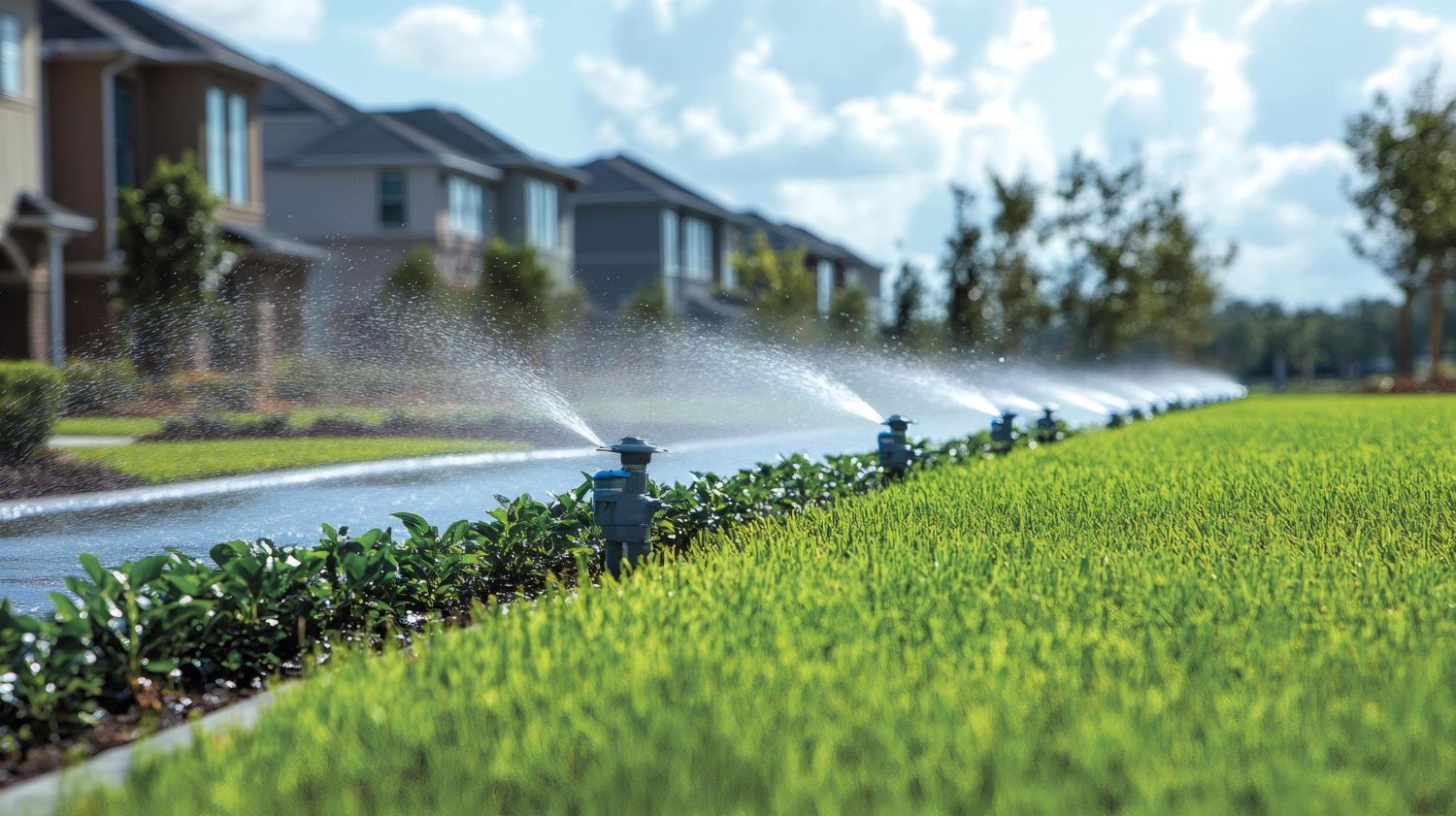
When thousands of square feet of fresh sod are laid down, the roots are in severe shock. The initial visual result often looks slightly yellow or wilted as the grass focuses all its energy on pushing roots down into the new soil. Expecting this turf to handle heavy pedestrian traffic during the first month is a critical error. The sod lines remain visible for weeks until the root systems fully interlock with the native dirt.
→ A quick tip to remember: Block off newly sodded areas with highly visible barriers for at least four weeks to prevent foot traffic from tearing up the unrooted grass.
Weather Delays And Material Availability
Commercial projects require massive quantities of specific plant species and bulk hardscape materials. Sometimes, specific stone pavers or mature trees are simply not available from local nurseries and must be freighted in. Furthermore, heavy rain makes it impossible to operate skid steers and excavators without completely destroying the subgrade of your property. Weather delays are an unavoidable reality of large scale exterior construction.
This is something clients notice firsthand.
►Client Experience: FM McDavid shared, "They maintain the parking lot and all of the trees and bushes around our business. Our place looks well cared for because of them. I appreciate their thoroughness and professionalism."
By setting realistic timelines and maintaining clear communication, we ensure that commercial partners like FM McDavid know exactly what to expect at every stage of the process.
What Property Managers Can Do To Improve Results
A successful commercial installation requires partnership between the contractor and the property management team. The most important thing you can do is secure the site. Ensure that employee parking does not block delivery zones for dump trucks and flatbeds. Additionally, communicate the temporary disruptions to your tenants early so they understand why certain walkways or entrances are temporarily closed off.
→ From a professional standpoint: Appoint a single point of contact within your management team to approve layout adjustments quickly, keeping the daily crew moving without administrative delays.
Frequently Asked Questions
Why are large commercial trees staked for so long?
Large caliper trees catch a massive amount of wind. Because their root balls have been cut for transport, they have no structural anchor in the ground. Staking them securely for the first year prevents heavy wind storms from blowing the trees over while the new anchoring roots grow deep into the surrounding soil.
How often will the crew be on site during a major installation?
During the heavy construction phase, crews will likely be on site daily from early morning to late afternoon. However, there are often planned pause days where concrete footings must cure or soil must settle before the next phase begins. A quiet day on site does not mean the project is delayed.
When will the new commercial planting beds look fully grown?
Most commercial planting designs follow the rule of sleep, creep, and leap. The first year the plants sleep as they establish roots. The second year they creep outward slightly. By the third year, they leap and finally fill in the empty mulch spaces to create the dense, mature look depicted in the original design renderings.
Planning Your Next Commercial Project
Executing a large exterior upgrade requires patience, expert logistics, and a deep respect for biological timelines. By understanding the real pacing of turf rooting and construction delays, you set your project up for long term success. Reach out to our commercial division today to start planning a realistic and beautiful upgrade for your property.
Share This Blog