The Ultimate Guide to Turf Maintenance for Year-Round Appeal
Achieving a vibrant green lawn that looks beautiful in every season requires a deep understanding of soil biology and plant health. At Uyeta Landscape & Maintenance, we see property owners struggle constantly with bare patches and yellowing grass because they rely on quick chemical fixes rather than addressing the root environment. A healthy lawn is a living ecosystem that demands consistent attention rather than occasional bursts of effort.
Proper lawn and garden maintenance is about managing the unseen factors that dictate how your grass grows. By adjusting your expectations and focusing on soil health, you can cultivate a resilient turf that naturally crowds out weeds and withstands heavy foot traffic. Understanding the true mechanics of grass growth allows you to build a foundation that looks incredible year after year.
In This Article:
- The Myth Of Instant Green Grass
- Root Establishment Realities
- What Actually Affects Your Turf Results
- Frequently Asked Questions
- Building Resilient Turf
The Myth Of Instant Green Grass
Many homeowners overestimate the speed at which a struggling lawn can recover its thick green appearance. Tossing down a layer of seed and watering it heavily for a weekend will not undo years of soil compaction or nutrient depletion. Authentic recovery requires a systematic approach of aeration, targeted fertilization, and precise watering schedules over several months.
→ A quick tip to remember: True turf health begins below the surface, meaning you must fix soil compaction before you will see any visible changes above ground.
Root Establishment Realities
The biggest mistake property owners make is judging their lawn solely by the length of the grass blades. When you invest in new seed or sod, the plant spends its initial energy pushing roots deep into the dirt rather than growing taller. If you force rapid top growth with heavy synthetic nitrogen, you create a weak plant that will quickly burn out during the first dry spell in Renton Highlands.
This is something clients notice firsthand.
►Client Experience: Glen Nakamichi shared “I needed a complete front lawn restoration, and hired Uyeta Landscape, Design and Maintenance to do the restoration. The communication throughout the project from Eddie the owner to the crew Antonio and Ricardo was exceptional. They didn't cut any corners, did the work the correct way, and made sure that what I wanted was done and complete to my satisfaction.”
Glen Nakamichi appreciates that doing the work correctly means prioritizing deep root growth over temporary visual tricks.
What Actually Affects Your Turf Results
Your mowing habits dictate the density and durability of your grass more than any fertilizer. Cutting your lawn too short exposes the delicate crowns of the grass plants to scorching sunlight and encourages rapid weed germination. Maintaining a taller blade height shades the soil, retains vital moisture, and forces the grass to develop a thicker root system to support the extra top weight.
→ From a professional standpoint: Never remove more than one third of the grass blade length in a single mowing session to prevent severe plant shock.
Frequently Asked Questions
Why does my lawn have persistent brown patches in the summer?
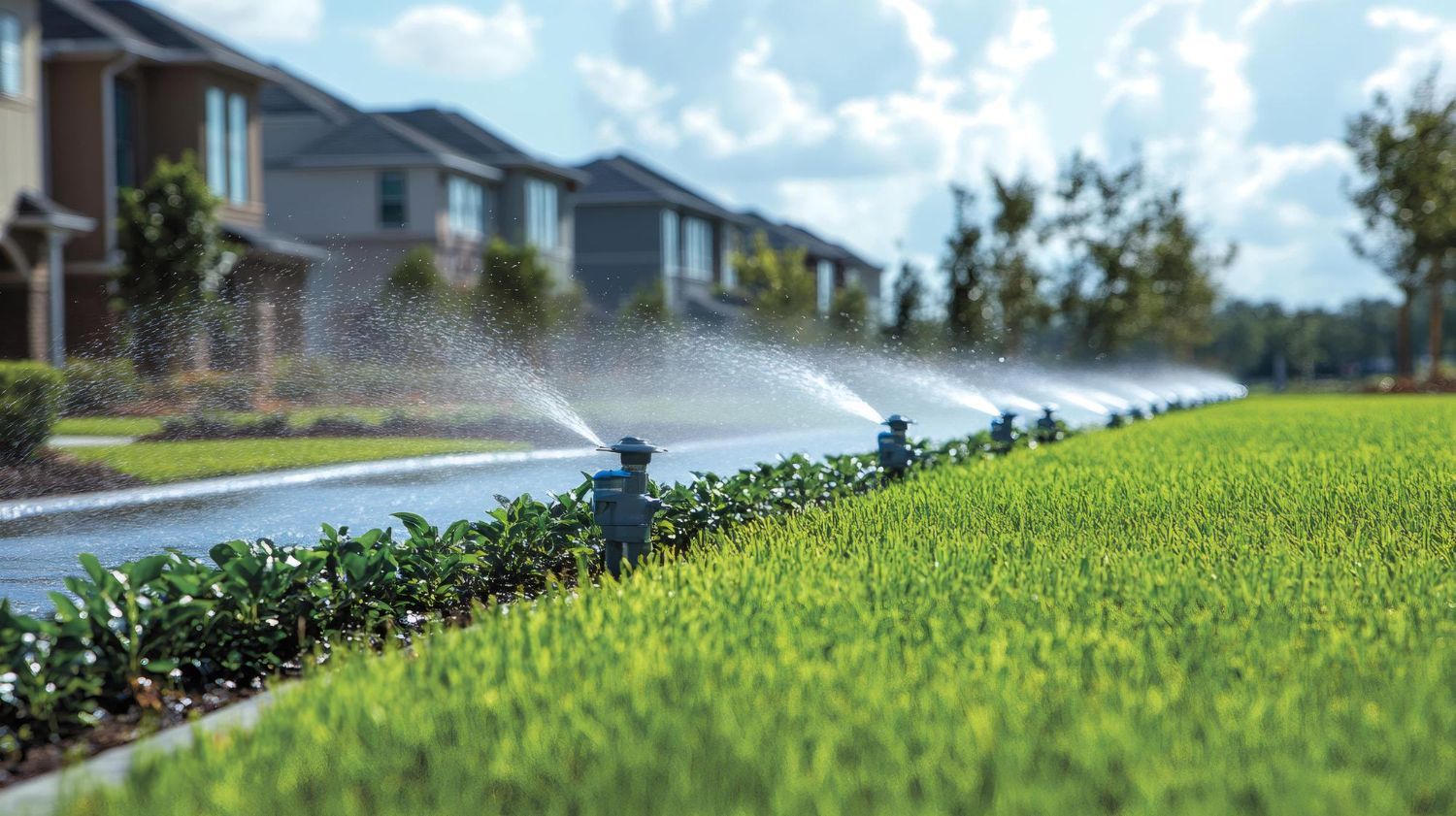
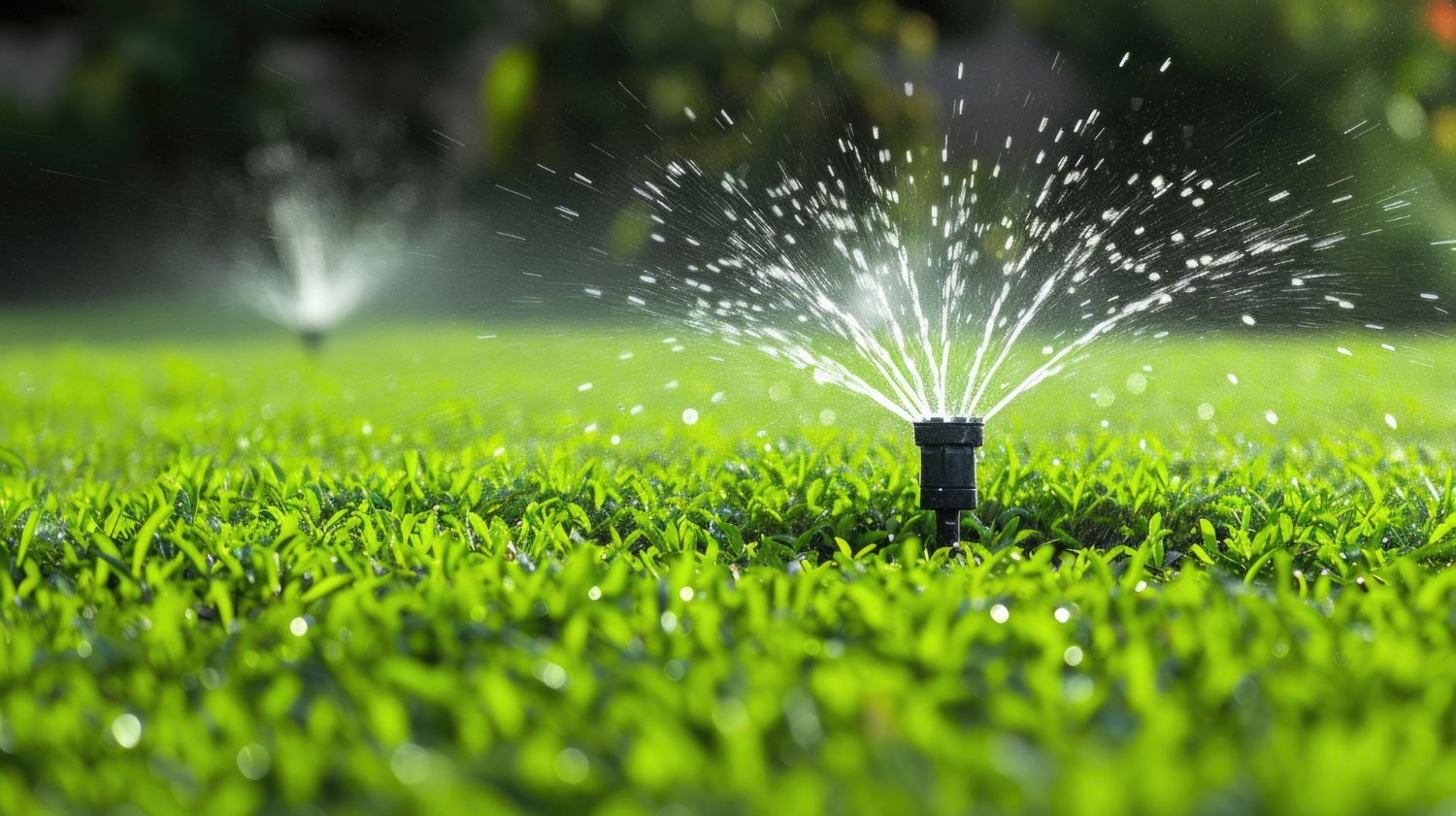
Brown patches often indicate localized dry spots caused by compacted soil or poor sprinkler coverage. When the dirt becomes too dense, water simply runs off the surface instead of penetrating down to the root zone. Core aeration breaks up this compaction and allows moisture to reach the areas that need it most.
How often should a lawn be fertilized for maximum health?
Most Pacific Northwest lawns thrive on a schedule of four to five targeted fertilizer applications per year. Applying nutrients in the early spring wakes up the grass, while a late fall feeding stores vital carbohydrates in the roots for winter survival. Over feeding in the peak of summer actually stresses the plant and burns the foliage.
Can leaving grass clippings on the lawn cause thatch buildup?
Grass clippings do not contribute to thatch because they are composed primarily of water and break down rapidly. In fact, leaving your clippings acts as a natural fertilizer, returning valuable nitrogen and organic matter back into the soil. Thatch is actually a layer of dead stems and roots caused by over watering and excessive synthetic fertilizer use.
Building Resilient Turf
Cultivating a robust lawn requires patience and a commitment to biological health. By adjusting your mowing heights and allowing root systems to establish properly, you create a natural defense against weeds and drought. Contact our lawn care specialists today to develop a customized maintenance program for your property.
Share This Blog