Retaining Walls or Fencing? Which Is the Better Winter Solution for Your Property?
Defining your property boundaries and managing sloped terrain become critical issues when the heavy winter rains arrive in Renton and Issaquah. Saturated soil creates immense pressure that easily knocks over aging wooden fences and poorly built garden walls. Uyeta Landscape & Maintenance evaluates failing perimeters and installs heavy duty physical barriers designed to withstand the brutal Pacific Northwest climate. Choosing the correct structural solution protects your yard from severe erosion and provides total privacy.
Many homeowners struggle to decide between a traditional wooden fence and a solid masonry wall. Each option carries distinct mechanical advantages and specific maintenance requirements over its lifespan. Understanding how water and soil interact with these structures helps you make an informed investment for your property.
Comparing structural perimeter options:
- Wooden Fencing Limitations: Dealing with moisture
- Retaining Wall Mechanics: Holding back the earth
- Integrated Landscape Design Build: Blending both solutions
- Frequently Asked Questions
Wooden Fencing Limitations
A standard cedar fence provides excellent visual privacy and keeps pets securely contained within the yard. However property owners frequently ask is a retaining wall better than a fence for property boundaries. If your yard features a steep slope or handles heavy water runoff a wooden fence is the wrong choice for holding back the earth. Wet soil pressed directly against wooden pickets accelerates fungal rot and causes the posts to snap under the physical weight. Fences are designed to block sightlines not to manage tons of shifting mud.
Retaining Wall Mechanics
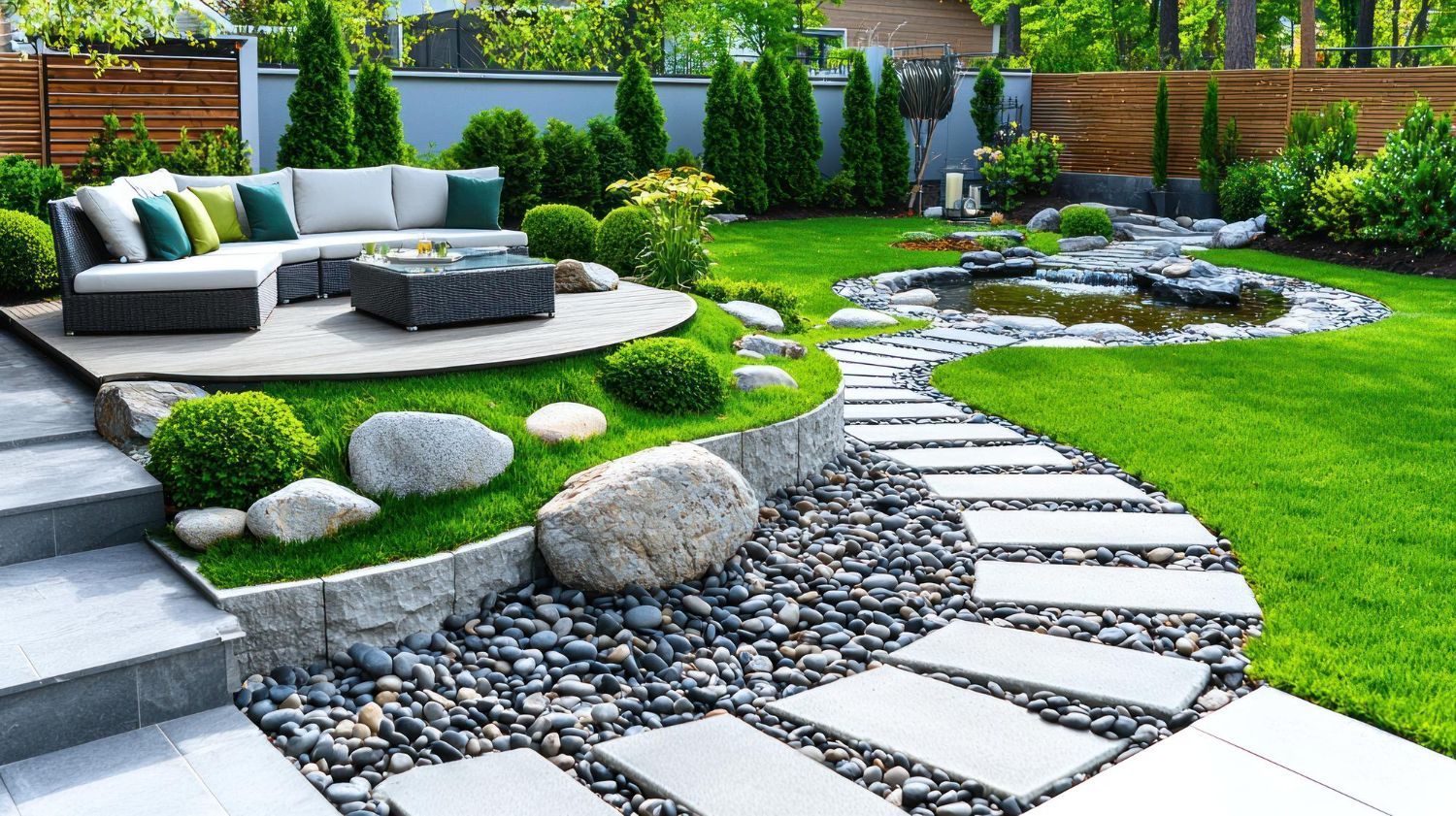
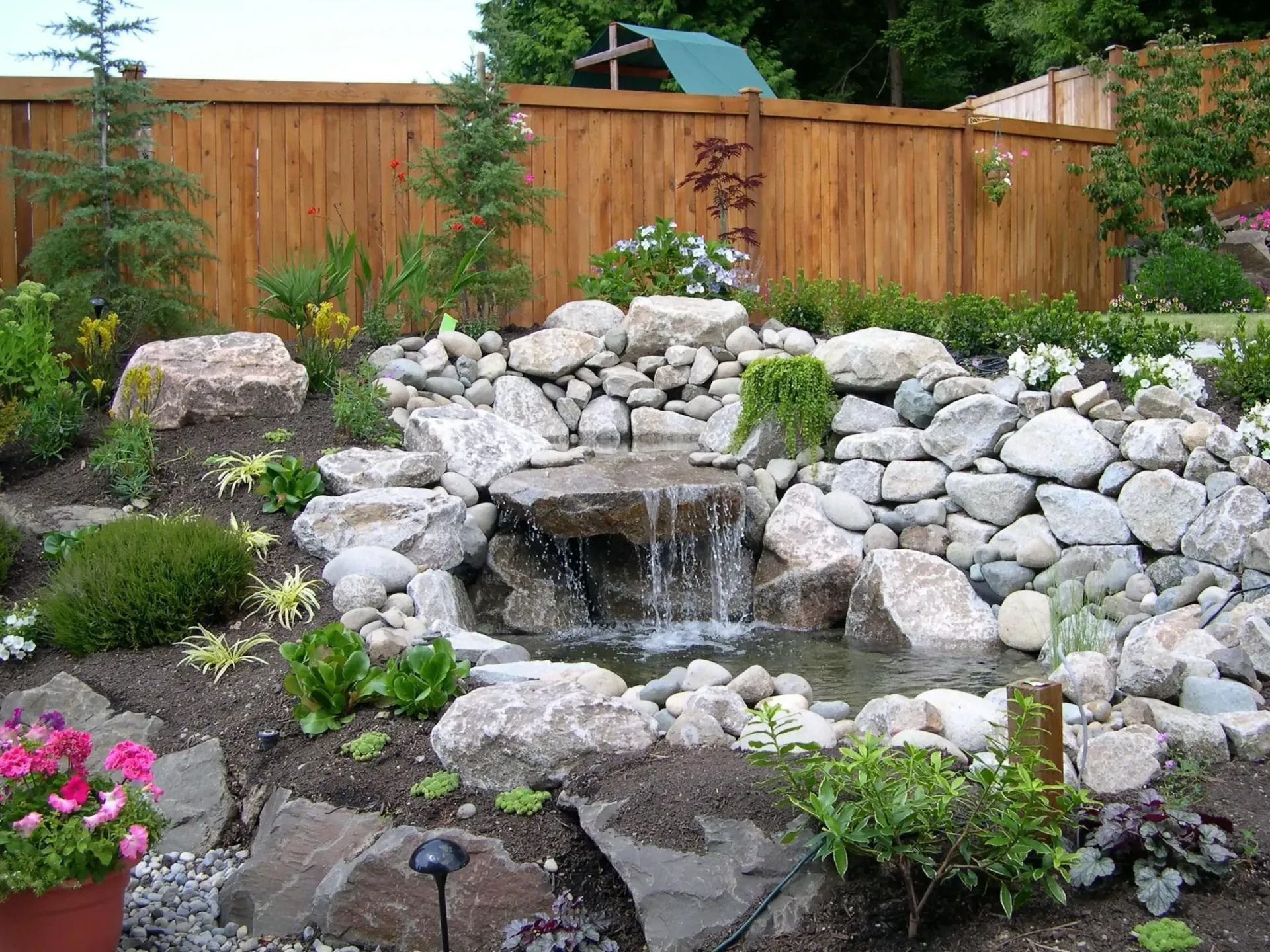
When you need to carve out a flat usable patio space from a sloping hillside hardscape construction is absolutely mandatory. A properly engineered retaining wall relies on heavy interlocking blocks or poured concrete to hold massive amounts of earth in place. We install a complex drainage system directly behind the wall including gravel backfill and perforated weeping tiles. This critical plumbing step relieves the hydrostatic pressure that builds up during heavy rain preventing the wall from bulging or collapsing forward into your yard.
Integrated Landscape Design Build
Sometimes the best solution involves combining both structures for maximum utility and privacy. We frequently design projects where a sturdy three foot retaining wall holds back a sloping garden bed with a wooden privacy fence mounted securely to the top tier. This hybrid approach keeps the wood completely elevated away from the wet soil while providing the full height needed for backyard seclusion. Utilizing our landscape design build services ensures both elements integrate perfectly with your existing home architecture.
A well built perimeter structure adds lasting value and total peace of mind.
► Client Experience: "I had a rather large patio replacement and new retaining wall put in my backyard and the quality is excellent."
Stacy Fann confirms that hiring experienced contractors results in durable outdoor structures that function exactly as intended.
Frequently Asked Questions
Do retaining walls require city permits?
Walls exceeding a certain height usually require municipal permits and engineering plans which we handle directly on your behalf.
How long does a concrete retaining wall last?
A properly drained concrete or stone wall easily lasts for several decades with virtually zero structural maintenance required.
Deciding On Your Property Perimeter
Protecting your sloping yard from winter erosion requires heavy materials and exact drainage engineering. Installing a solid retaining wall prevents dangerous mudslides and creates flat usable space for future projects. Call our design office today to schedule a site evaluation for your boundary lines.
Share This Blog