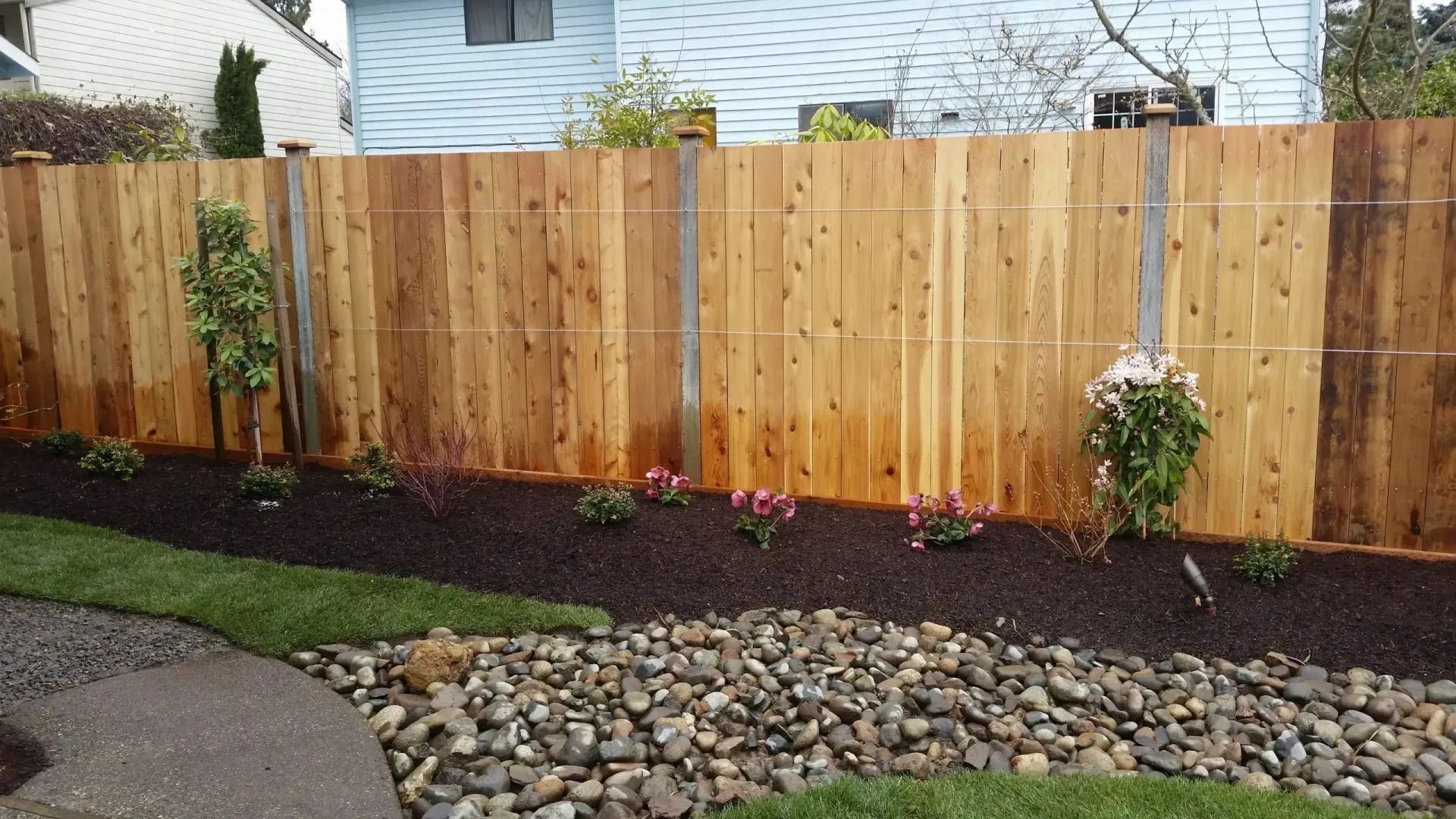
Tips to Protect Your Plants from Winter Frost
Winter frost can pose a significant challenge to gardeners and landscape enthusiasts alike. The chill can damage or kill plants that aren’t properly protected, affecting both their appearance and health. Fortunately, with the right strategies, you can help your garden thrive even in harsh winter conditions.
Understanding Frost and Its Impact
Frost occurs when the temperature drops to the point where water vapor turns into ice crystals on cold surfaces, including plant leaves and stems. This can cause cells within plants to burst, leading to wilted or blackened foliage and potentially dead plants. Recognizing how frost affects your garden is the first step in strategizing protection.
Selecting the Right Plants
Choosing plants that are naturally resistant to cold temperatures is an effective way to safeguard against frost damage. Hardy perennials and shrubs are excellent options because they can withstand lower temperatures without significant harm. Look for varieties that are well-adapted to your climate and soil conditions, as they’ll have an inherent advantage.
Timing is Everything
Timing plant care correctly can help mitigate frost damage. Watering in the morning ensures excess moisture evaporates by nightfall, reducing the risk of frost accumulation. Additionally, avoiding late-season fertilization can prevent new growth that is susceptible to frost, as it tends to be tender and less resistant.
Utilize Mulching
Mulching is an effective technique to insulate plant roots against extreme cold. A thick layer of organic mulch, such as straw or bark chips, helps maintain soil temperature by providing a protective barrier. This insulation ensures that the critical parts of the plant remain warm enough to prevent freezing, supporting root health and sustainability.
Implementing Physical Barriers
Creating physical barriers is another vital strategy for protecting plants from frost. Burlap wraps or frost blankets can cover delicate plants, providing a buffer against the cold. These should be applied in the late afternoon and removed in the morning to prevent overheating once the sun rises. Cloches and cold frames can protect smaller plants, capturing solar heat during the day to maintain a warmer environment at night.
Leverage Microclimates
Microclimates refer to small areas within your garden that have unique climate characteristics. Walls, fences, or other structures can create microclimates by blocking wind or reflecting sunlight. Positioning frost-sensitive plants in these zones can shield them from cold winds and temperature drops, making better use of your existing garden layout.
The Role of Water
Proper hydration acts as a protective agent against frost damage. Well-watered soil absorbs more heat during the day and releases it slowly at night, helping to keep plant roots warmer. However, ensure that water doesn’t become trapped around roots in clay-heavy soils, as this can lead to rot once the temperature rises.
Heater Solutions
For gardeners keen on tech-savvy solutions, portable garden heaters or heat lamps can offer targeted warmth. While this might not be feasible for large gardens, small spaces or critical plants can benefit from additional heat sources during particularly cold spells.
Protecting your plants from winter frost is not merely about surviving the season, but thriving despite it. By using a combination of the outlined methods, you can preserve plant health and vitality until spring returns. Don't leave your garden's fate to chance; actively defend your green spaces against the whims of winter.
Ready to personalize your frost protection strategy? For tailored advice specific to your landscape's needs, don't hesitate to reach out to Uyeta Landscape & Maintenance. Our experts are eager to assist you in crafting a winter-ready garden plan, ensuring your plants remain as evergreen as your passion for horticulture. Contact us today for expert guidance that brings warmth and life to your outdoor spaces, even in the chilliest months.
Share This Blog