New Year’s Resolutions: Sustainable Landscaping Goals for 2026
As we step into 2026, embracing sustainability in landscaping offers an exciting opportunity to redefine our outdoor spaces. Whether you’re a seasoned gardener or just beginning to cultivate your green thumb, setting sustainable landscaping resolutions can lead to healthier gardens and a more vibrant ecosystem.
Embrace Native Plantings
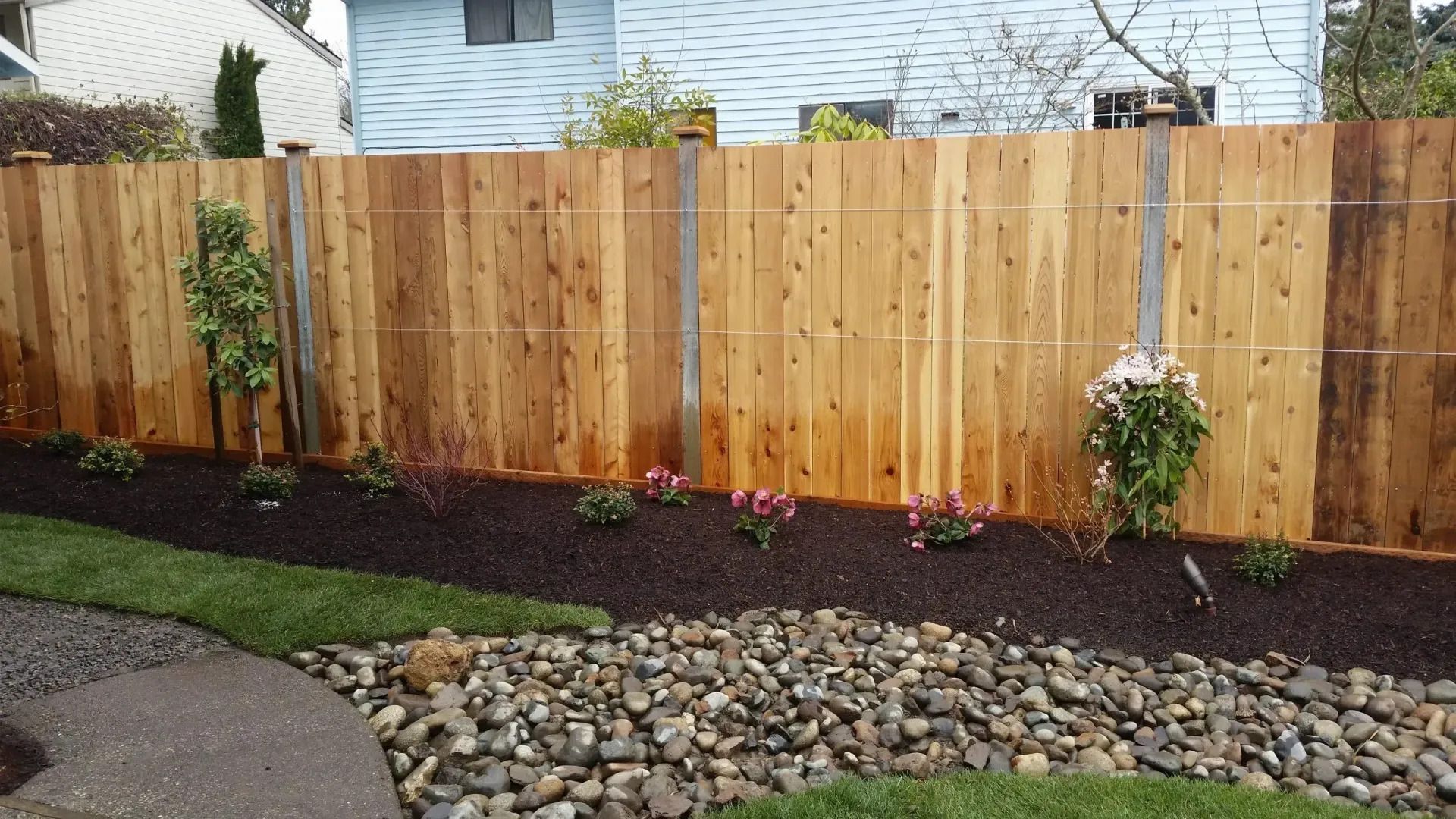
Native plantings are a cornerstone of sustainable landscaping. These are plants naturally adapted to your region's climate and soil conditions, requiring less water and maintenance. By incorporating native species into your garden, you not only conserve water but also provide a habitat for local wildlife, including pollinators like bees and butterflies. This interplay between native plants and local fauna establishes a thriving, self-sustaining ecosystem.
Optimize Water Usage
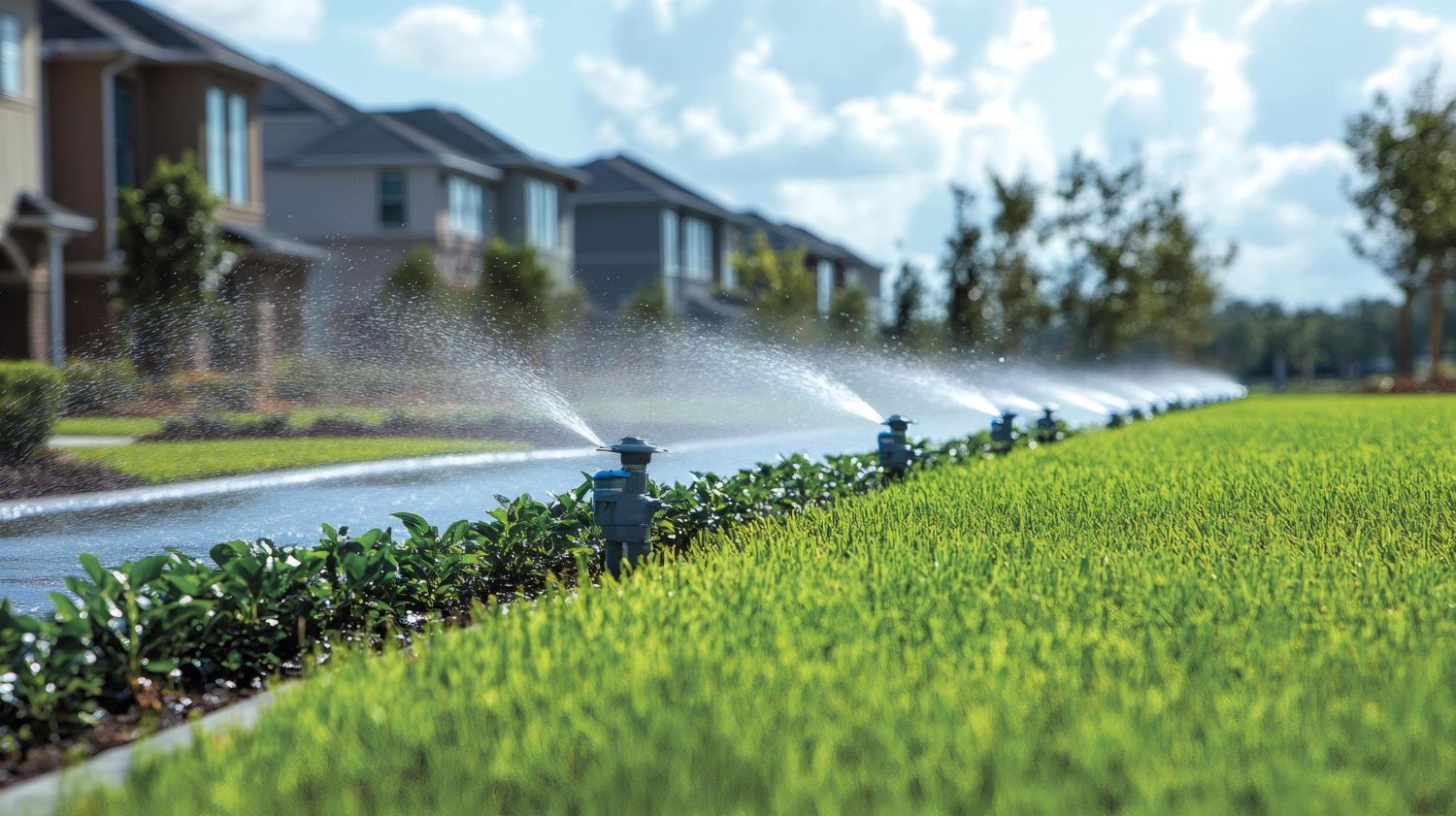
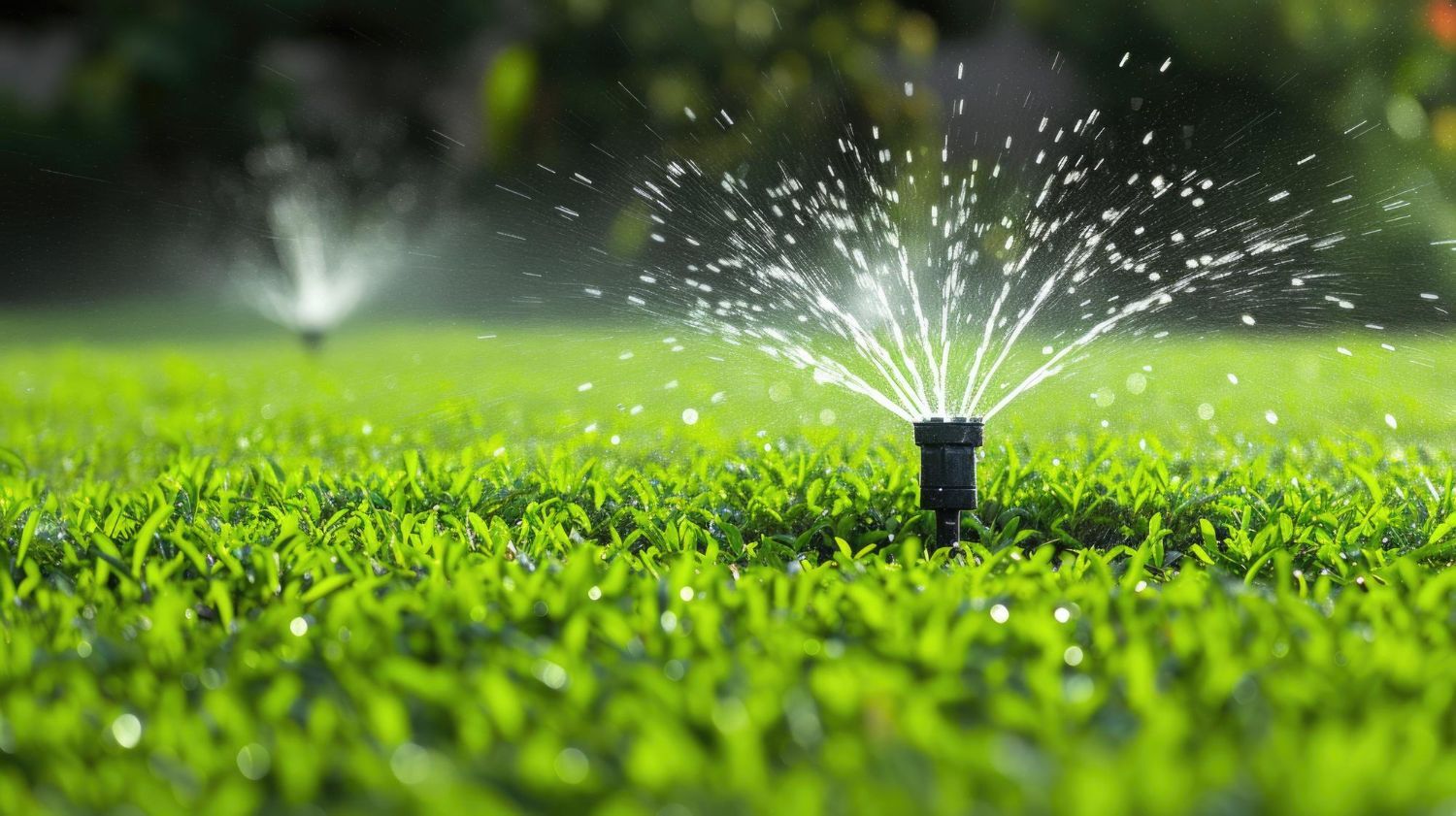
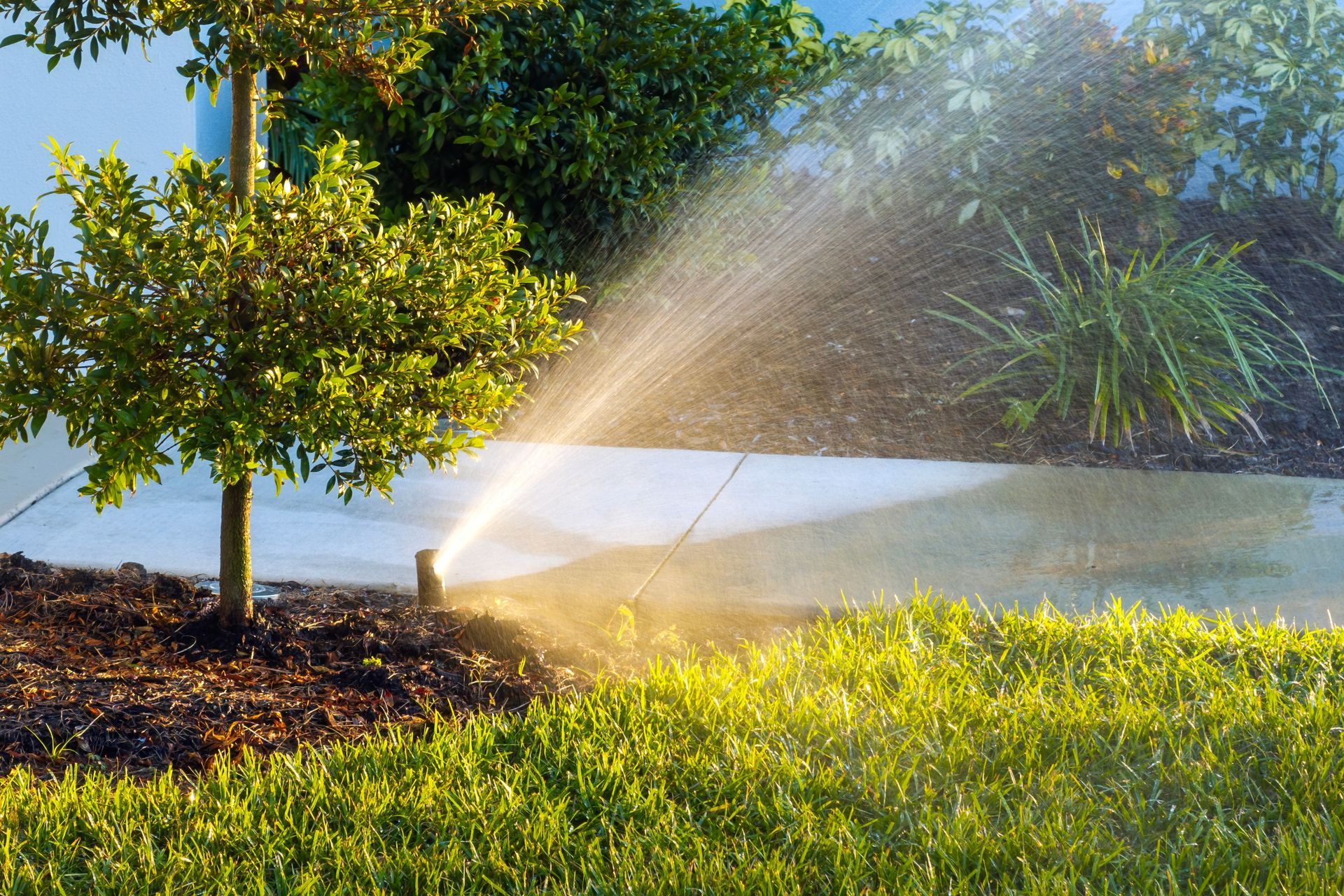
Water conservation remains central to sustainable landscaping. Investing in efficient irrigation systems, such as drip irrigation, can dramatically reduce water wastage. These systems target the root zones, ensuring plants receive the moisture they need without excess runoff. Complementing this technology with rainwater harvesting systems can further optimize your water usage. Collecting rainwater not only reduces your reliance on municipal water but also utilizes a natural resource effectively.
Enhance Soil Health
Healthy soil is fundamental to sustainable landscaping. It begins with understanding soil composition and enhancing it with natural amendments like compost. Composting enriches the soil with essential nutrients and improves its structure, facilitating better water retention and root growth. By focusing on soil health, you lay the groundwork for a resilient garden that supports plant growth and mitigates disease.
Implement Permaculture Principles
Permaculture is a sustainable design philosophy that mimics natural ecosystems. It encourages the creation of landscapes that are self-sufficient, harmonious, and productive. Applying permaculture principles involves thoughtful planning and includes elements like companion planting, where certain plants are grown together for mutual benefit. Designing a landscape that works with nature’s cycles reduces maintenance and enhances biodiversity.
Choose Eco-Friendly Materials
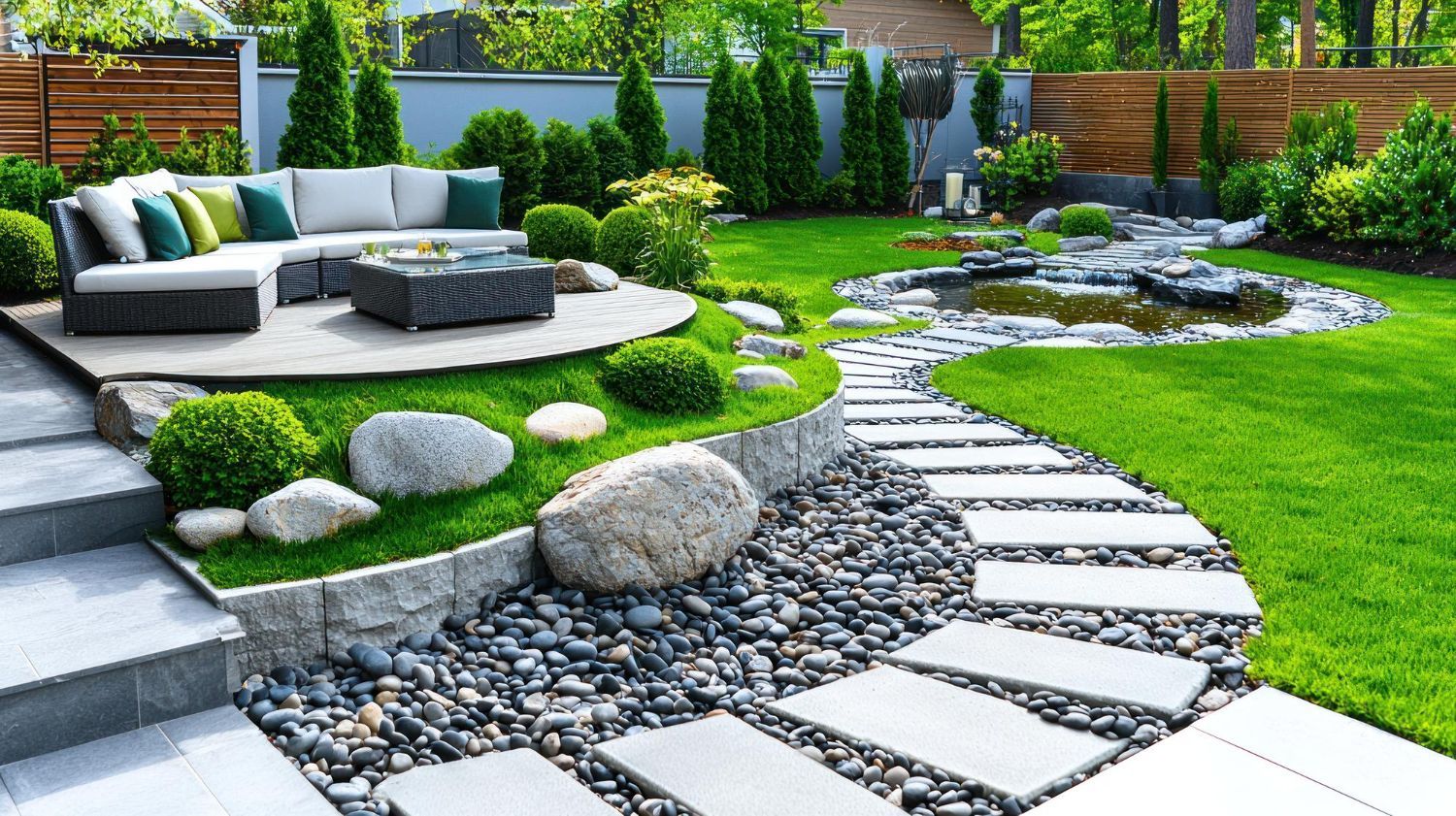
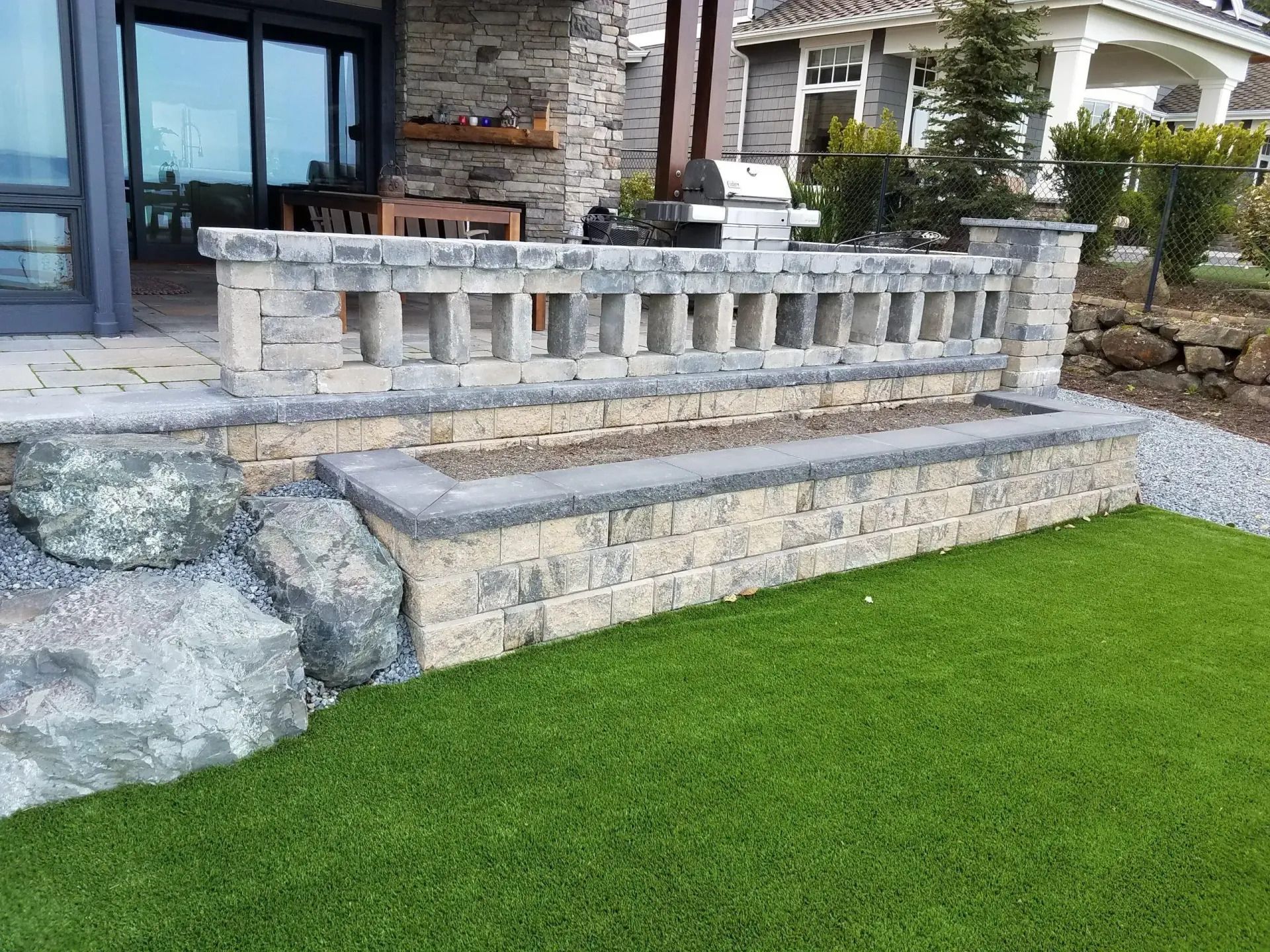
When planning hardscape elements like patios or walkways, choose eco-friendly materials such as permeable pavers or recycled stone. These materials not only reduce the impact on the environment but also help manage stormwater by allowing it to seep into the ground naturally. Opting for sustainable building materials supports the ecosystem and provides your landscape with a unique aesthetic appeal.
Foster Biodiversity
A diverse landscape contributes significantly to ecosystem health. Introducing a variety of plant species encourages a balanced environment where beneficial insects flourish and pests are naturally controlled. Diversifying your garden not only boosts biodiversity but also creates a more resilient ecosystem capable of adapting to environmental changes.
Reduce Chemical Use
Limiting or eliminating chemical fertilizers and pesticides is crucial for sustainable gardening practices. Chemical-free gardening protects soil health and safeguards local water sources from contamination. Instead, focus on organic solutions and integrated pest management strategies that emphasize natural deterrents and biological controls.
Create Wildlife Habitats
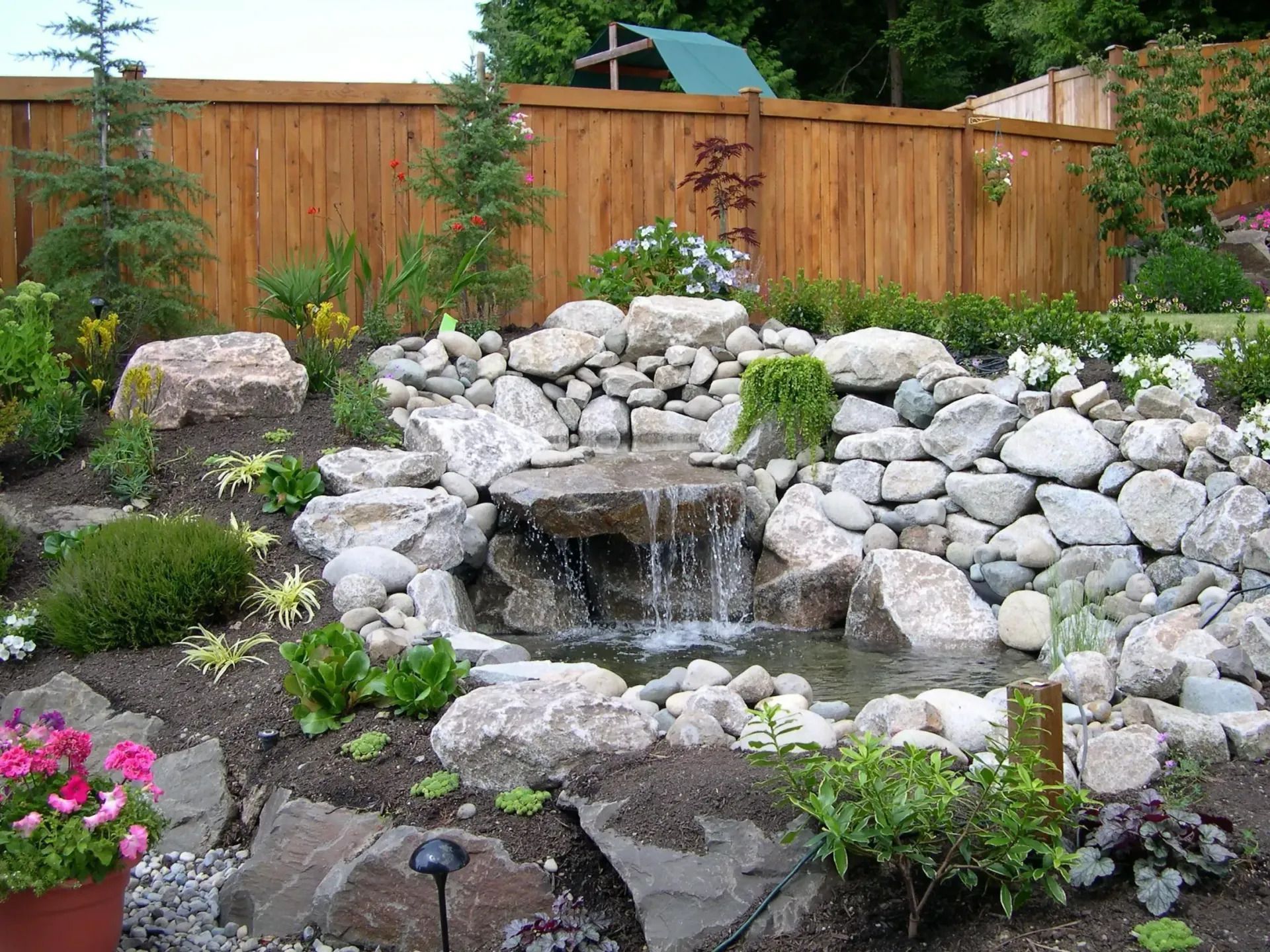
Landscaping with wildlife in mind supports local ecosystems and adds an element of vitality to your garden. Designing spaces that include birdhouses, bat boxes, or hedgehog pathways encourages wildlife to inhabit your garden. These additions provide natural pest control and enhance your outdoor space's ecological balance.
Encourage Community Engagement
Sustainable landscaping extends beyond individual spaces to include community involvement. Sharing knowledge, resources, and even labor can foster a culture of ecological awareness and commitment. Whether through local workshops or neighborhood collaborations, community engagement strengthens collective efforts toward sustainability.
Embracing sustainable landscaping practices in 2026 can transform your garden into a vibrant, eco-friendly haven. By focusing on native plantings, optimizing water usage, and fostering biodiversity, you contribute to the health of your local environment. Whether you're optimizing your irrigation system, enhancing soil health, or choosing eco-friendly materials, every effort counts.
Ready to bring your sustainable landscaping resolutions to life? Contact Uyeta Landscape & Maintenance for personalized advice tailored to your unique space. Our team of experts is eager to help you cultivate a thriving, sustainable outdoor environment that adds lasting value to your property. Let’s work together to create a future-focused landscape you can be proud of.
Share This Blog