Creating Pollinator-Friendly Gardens in Washington
Pollinators are crucial to our ecosystem, playing a significant role in plant reproduction and biodiversity. In Washington, where native flora thrives, creating a pollinator-friendly garden is both a rewarding and environmentally beneficial endeavour. This guide explores how to design gardens that attract and support pollinators like bees, butterflies, and birds.
The Importance of Pollinators
Pollinators are essential for the reproduction of over 75% of the world’s flowering plants, including many of our food crops. As pollinator populations face threats from habitat loss and pesticide use, creating supportive environments in our gardens is vital. These gardens not only provide food and shelter for pollinators but also enhance crop yields and ecosystem health.
Choosing the Right Plants
Selecting appropriate plants is the cornerstone of a pollinator-friendly garden. In Washington, native plants are ideal as they are well-adapted to the local climate and provide a reliable food source for native pollinators. Consider adding plants like lupines, coneflowers, and Oregon grape, which offer nectar and pollen essential for pollinators.
Designing Your Garden Layout
When designing your garden, aim for diversity. Incorporate a variety of plant species with overlapping bloom times to provide year-round resources for pollinators. Grouping plants in clusters can make them more visible and accessible to pollinators, increasing the likelihood of visits. Including a mix of flower shapes and colors will also draw a wider range of species.
Creating Habitats and Shelter
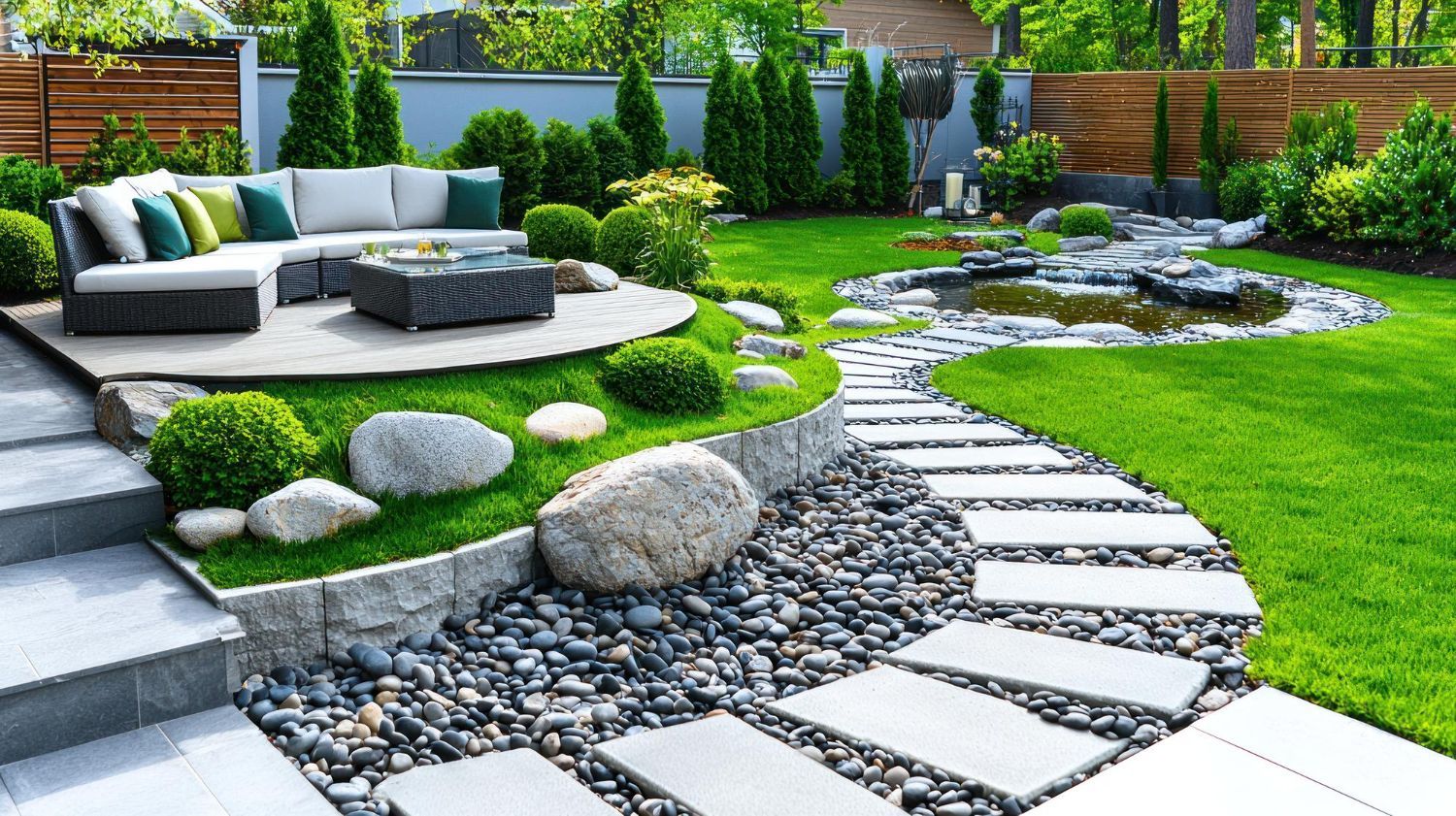
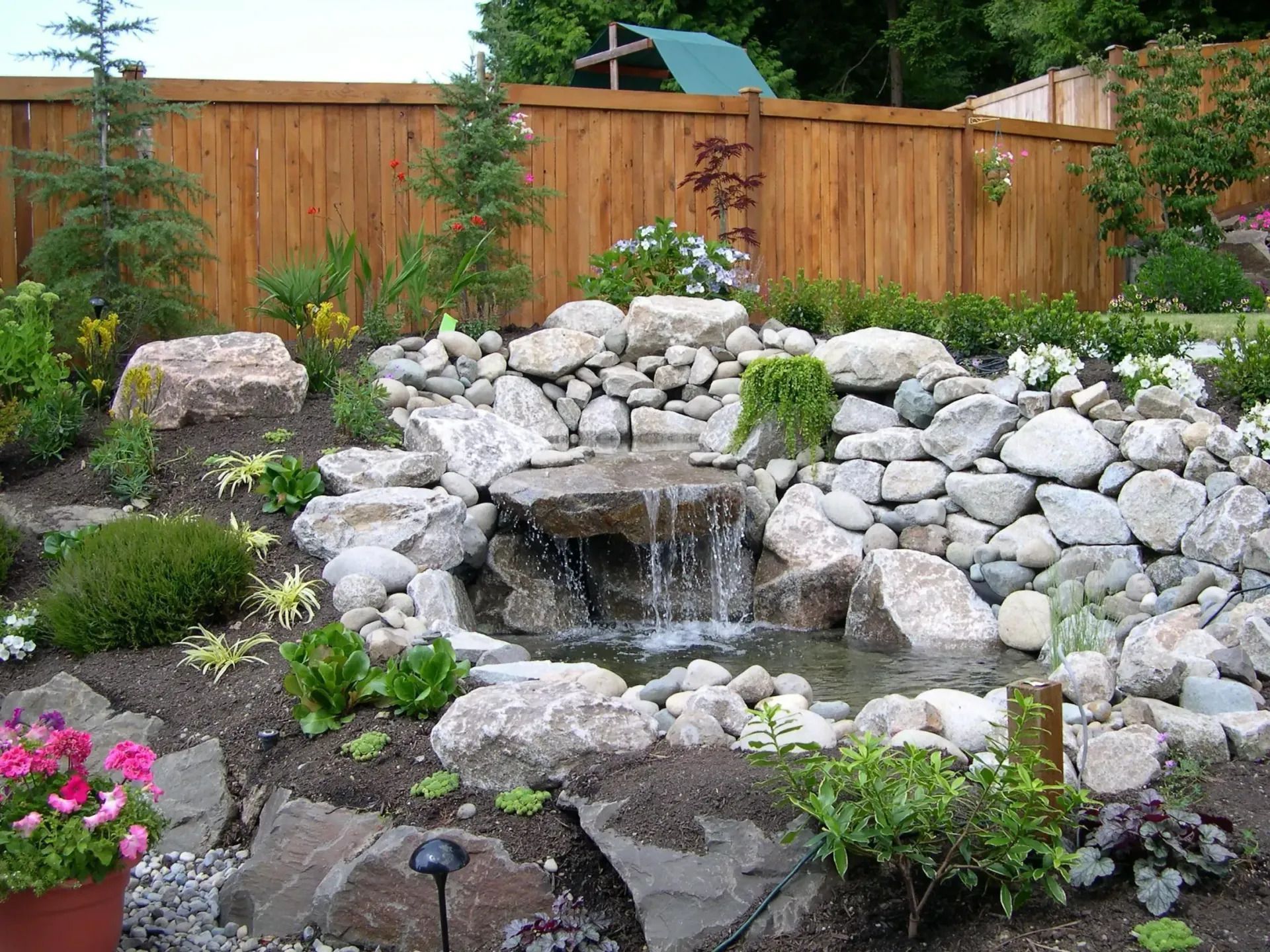
Pollinators need more than just food; they also require safe habitats and shelter. Incorporate elements like logs, stones, and water features to provide resting spots and protection. Consider installing bee hotels or leaving patches of bare ground for ground-nesting bees. These simple additions can significantly enhance the attractiveness of your garden to pollinators.
Avoiding Harmful Chemicals
To truly support pollinators, it’s essential to avoid chemical pesticides and fertilizers that can harm them. Instead, adopt natural pest management strategies, such as companion planting, to keep your garden healthy. Organic mulches and compost can nourish your plants while promoting a safer environment for pollinators.
Community Impact and Engagement
Creating a pollinator-friendly garden has benefits beyond your backyard. These gardens contribute to larger ecological networks, supporting local biodiversity. Engaging with community initiatives and sharing your garden journey can inspire others to follow suit, amplifying the positive impact across neighborhoods.
Embrace the Buzz of a Thriving Garden
A pollinator-friendly garden is a vibrant, lively space that benefits both the environment and those who tend it. Watching butterflies flutter and bees buzz from flower to flower is a satisfying reward for the effort invested in creating such a haven.
Join the Pollinator Garden Movement
Ready to transform your landscape into a pollinator paradise? At Uyeta Landscape & Maintenance, we offer expert guidance and services to help you design and maintain a thriving pollinator-friendly garden. Contact us today to start your journey towards a buzzing, blooming oasis.
Share This Blog